

China Public Transport in 2026: Guide for Foreigners
Use public transport in China in 2026 with subway and bus payment tips, Alipay and WeChat QR codes, international card taps, security checks, and kids rules.

–7 min read
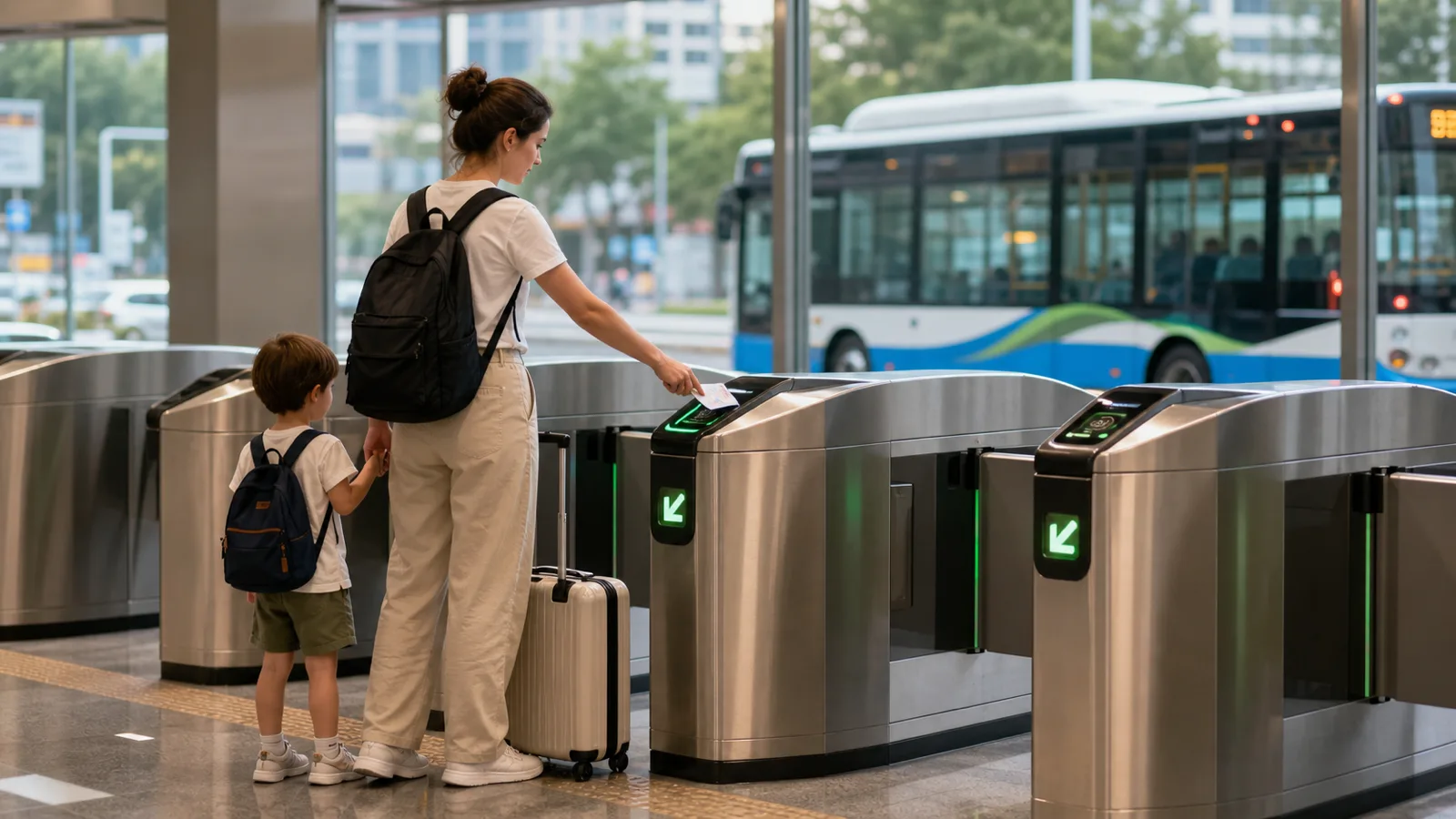
China Public Transport in 2026: Guide for Foreigners
Use public transport in China in 2026 with subway and bus payment tips, Alipay and WeChat QR codes, international card taps, security checks, and kids rules.
–7 min read
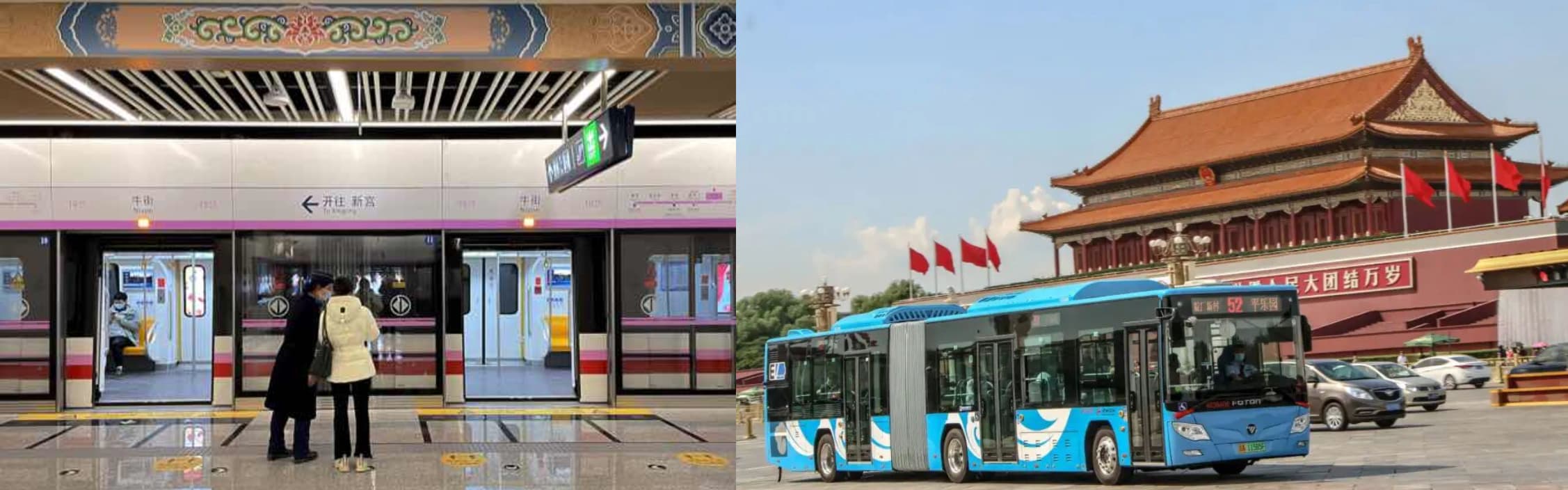
China’s public transportation system is among the best in the world, especially in major and mid-sized cities (such as Beijing, Shanghai, Guangzhou, Shenzhen, Chengdu, etc.). The subway and bus networks are extensive, highly punctual, and extremely affordable (subway single trips typically range from 2–10 RMB, buses 1–3 RMB), making it the top choice for foreign travelers.
Major Advantages of China’s Public Transportation (Especially Noticeable for Foreigners)
- Extremely Affordable: Frequent daily rides often cost less than 50 RMB in total, saving over 10 times compared to taking a taxi.
- Extensive Coverage: Subways reach airports, train stations, and major attractions; buses fill in the gaps, getting you almost anywhere.
- Efficient and Punctual: High frequency during peak hours (every 2–5 minutes), with a comfortable experience when avoiding rush hour.
- Increasingly Foreigner-Friendly: More English signage and announcements, plus growing support for international bank cards.
- Eco-Friendly and Safe: Reduces carbon emissions from taxis, with strict security checks—safe for women and families even at night.
- Authentic Local Experience: Riding the subway and buses with locals is the real way to feel “in China.”
- Strong English Support: Tier-1 cities feature bilingual Chinese-English signage and announcements.
In short, whether traveling for leisure or business in China, public transportation is not only a money-saving essential but also a convenient and reliable option.
Of course, if you prefer taking a taxi, check out this guide: How to Use Didi in China 2026 as a Foreigner – Full English Guide (International Cards, No Chinese Phone Needed)
Route Planning
Before choosing to take a bus or subway, we need to plan our route based on our current starting point and destination.
This might sound complicated, but there are ready-made apps that handle this for you. Simply enter your destination, and the app will automatically plan the route, telling you to walk to a specific subway or bus station, which line to take, where to get off, and even which exit to use. You just follow the app's instructions—it's incredibly convenient.
There are many apps available on the market. Based on your actual situation, here are the most suitable options for you:
-
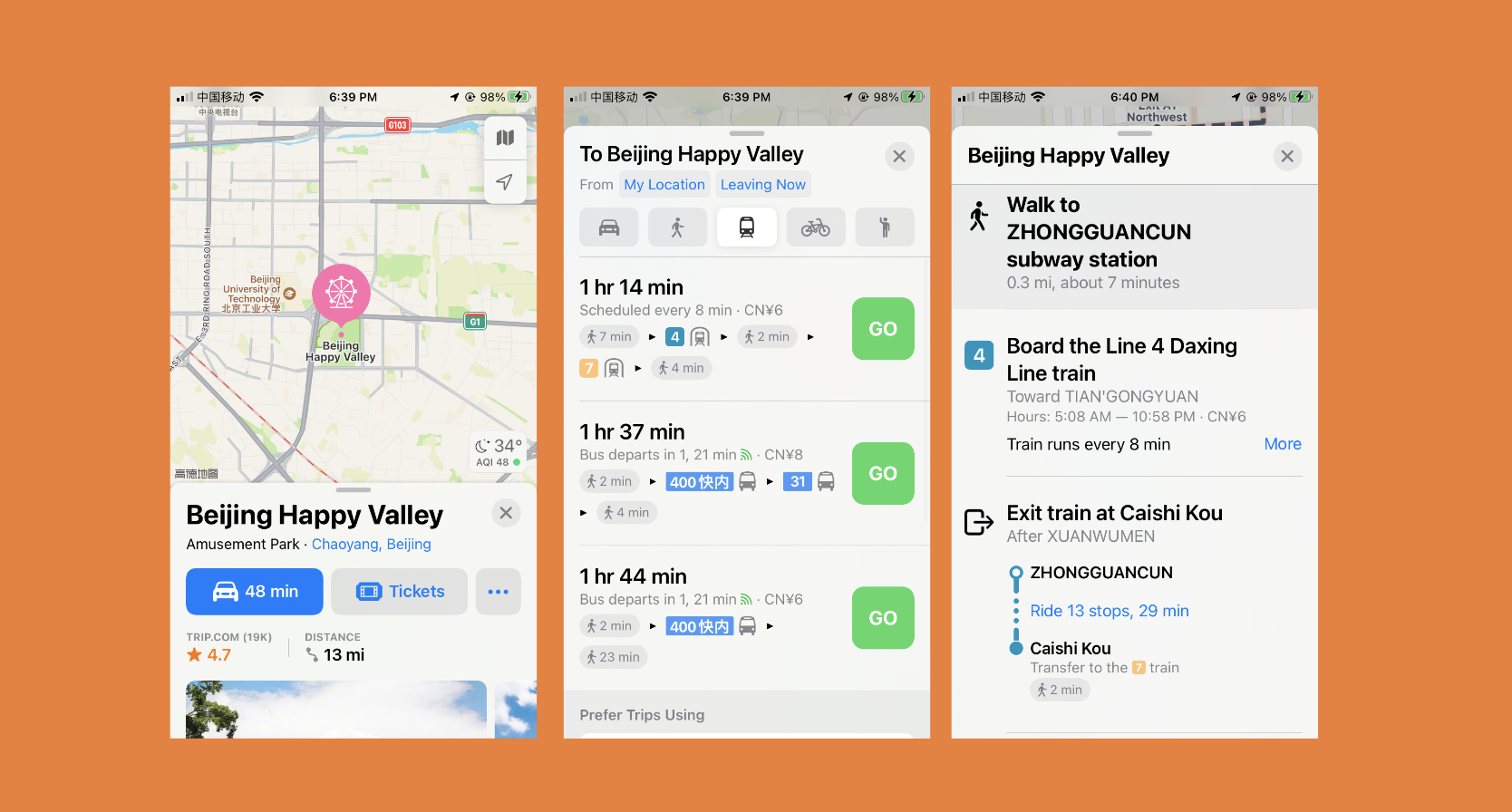
Apple Maps: If you're an iPhone user, the built-in Maps app is sufficient in major cities.
-
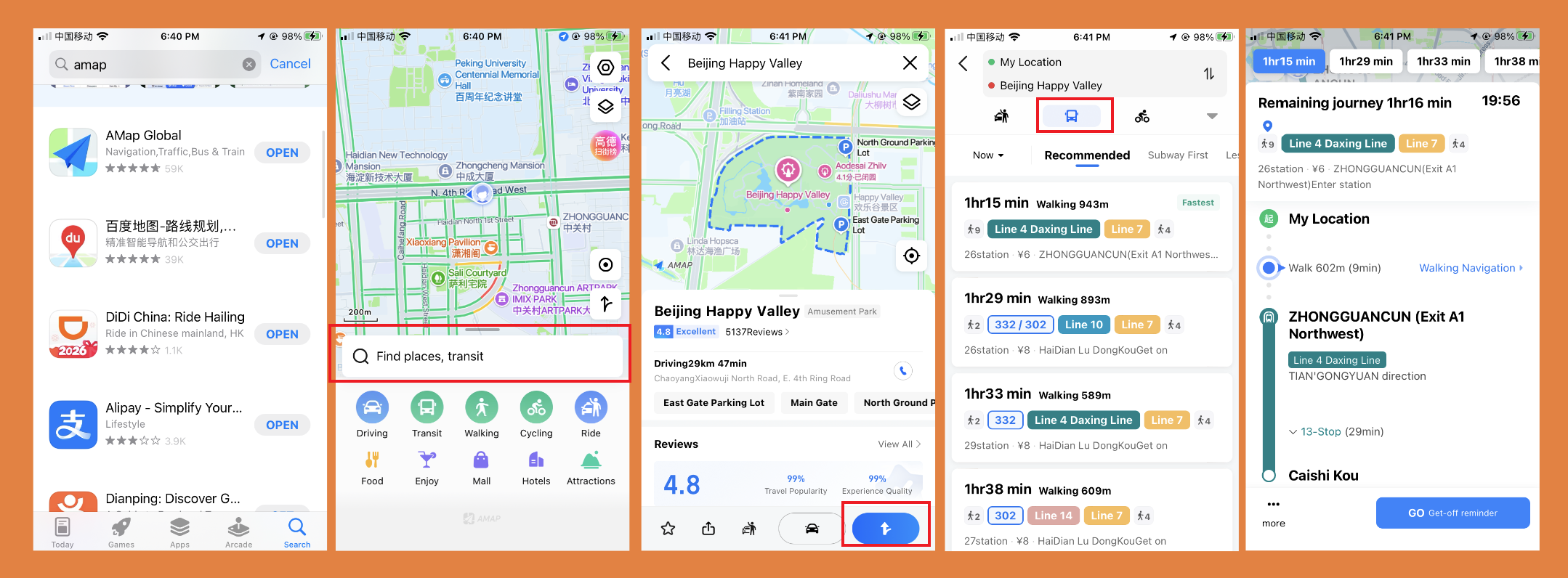
Amap: If you're not an iPhone user or are visiting less popular cities (second- or third-tier cities), and Apple Maps data isn't clear, I recommend downloading this top Chinese mapping app. It offers English support.
-
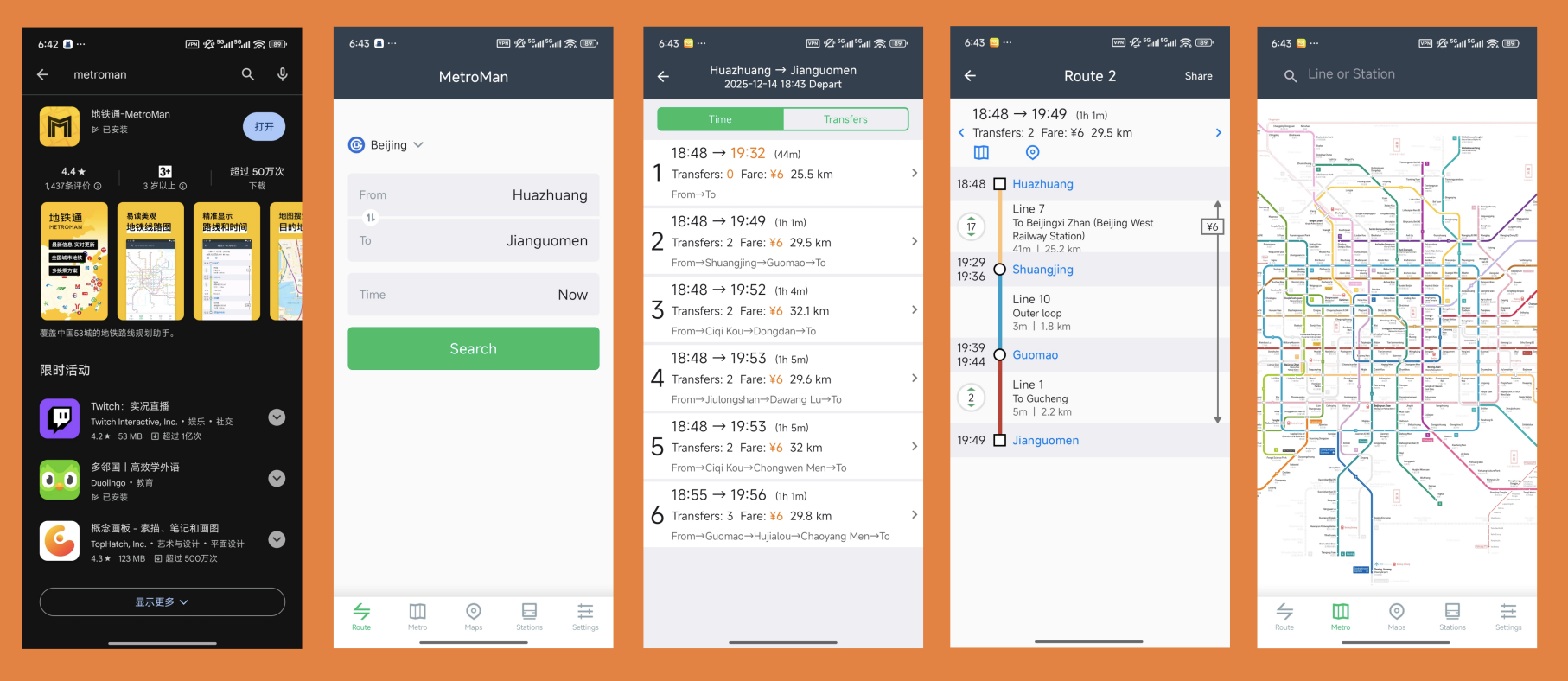
MetroMan: This app provides information on almost all subway lines in China, with a simple and user-friendly interface (English supported). It can work offline and helps calculate transfers, fares, distances, etc.
MetroMan's downside is that it only supports subways, and transfer information is based on subway stations, so it can't plan a full route from your real-time location to your destination. It's best for users who already know the starting and ending stations and want to view overall ride details.
Riding the Subway
Buying Tickets
After reading the following ticket purchasing methods, you'll find that Alipay and WeChat Pay are the most universal and widely used options, saving you a lot of hassle. If you want to use these methods, you'll need to register first. Please refer to the following two guides:
The available ticket purchasing methods are as follows:
-
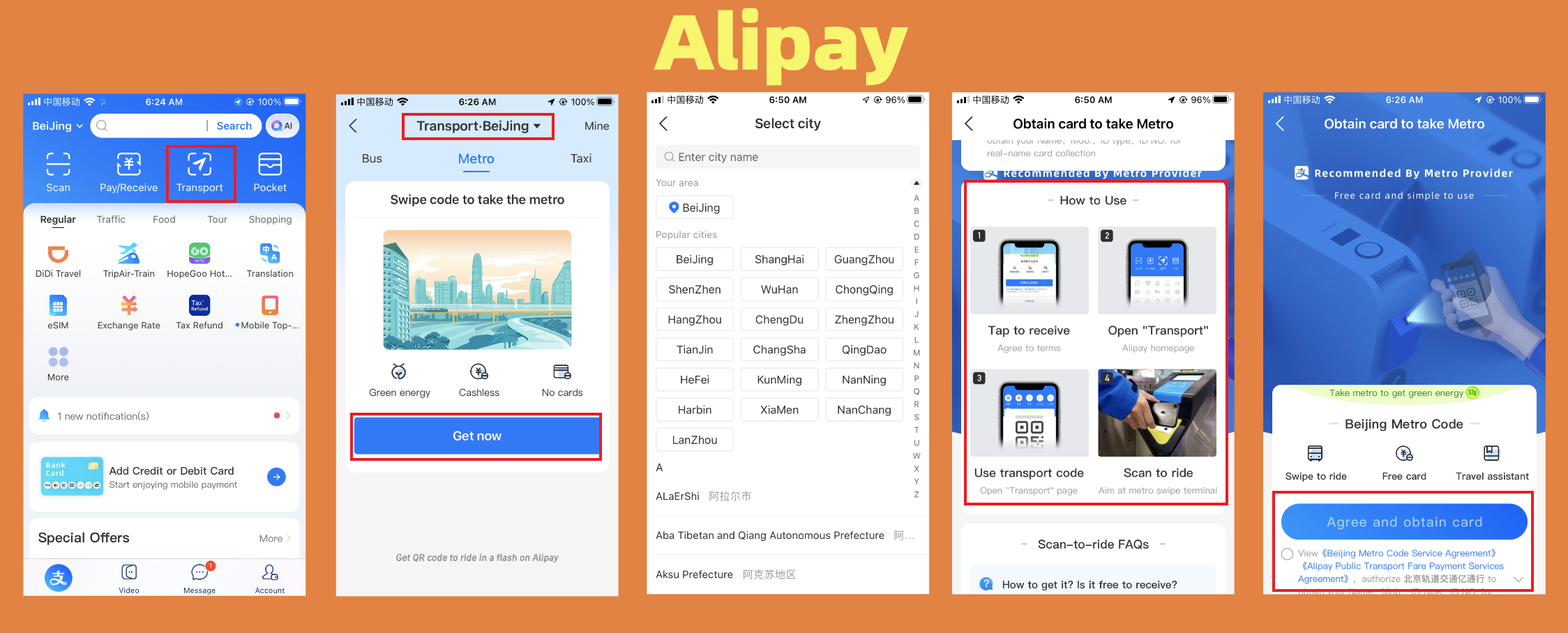
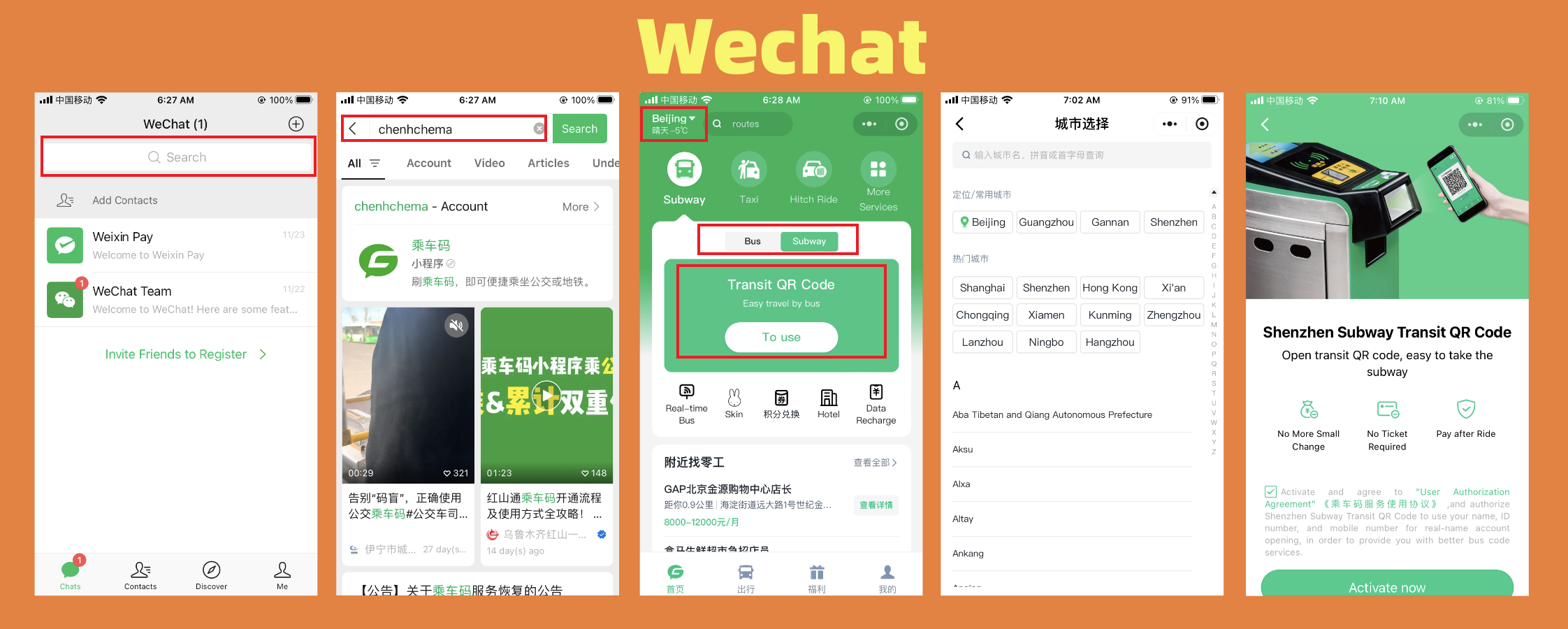
Alipay/WeChat: After registering according to the guides above (using passport real-name verification and binding a bank card), you can apply for the most universal and stable method nationwide—simply scan your dedicated QR code to enter and exit the station.
- Alipay has better international support, so it's recommended to prioritize it.
- You need to activate the QR code for each city separately.
- For WeChat, first search for "chengchema" (Chinese pinyin, English: transport QR code).
-
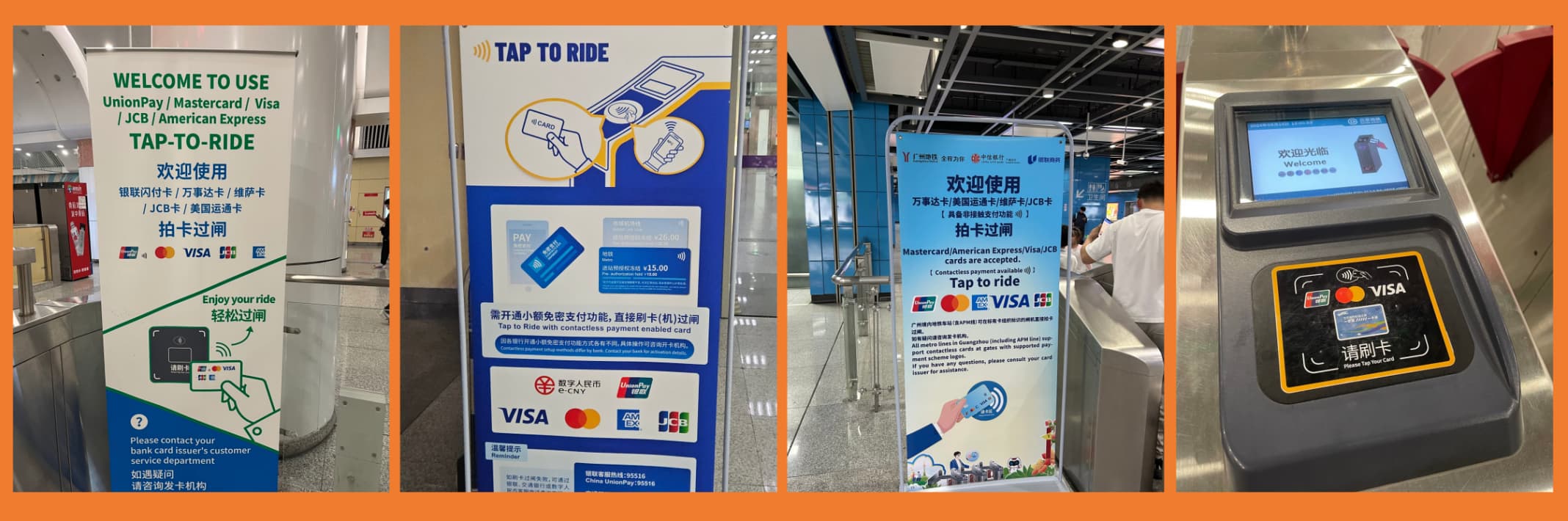
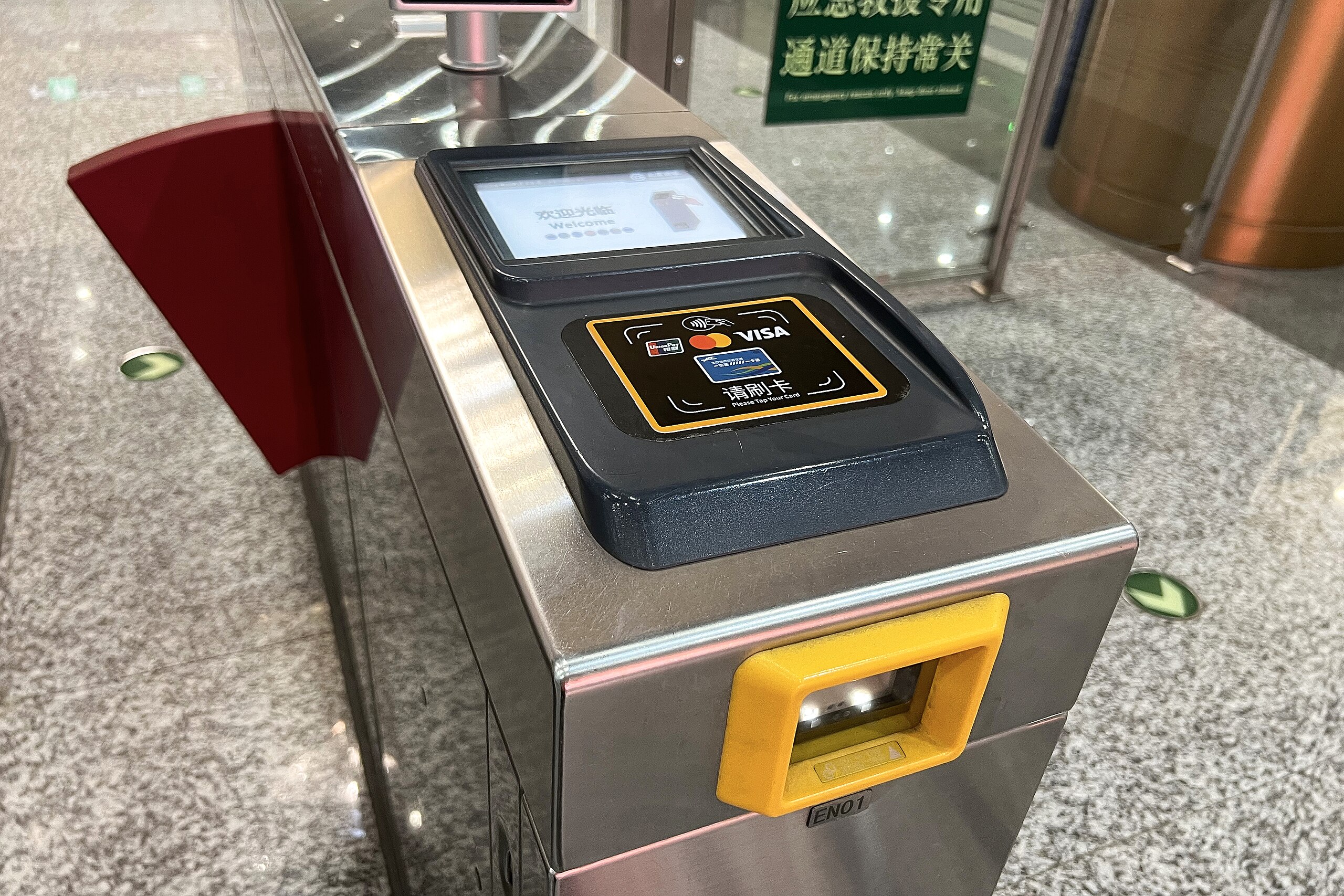
International Bank Card/Apple Pay/Google Pay, etc.: This card-swiping entry method started to be promoted in 2026, with better support in cities like Beijing, Shanghai, Guangzhou, and Chengdu. However, the support level varies between cities and stations, so confirm it during actual use.
Note: If you want to use this method, ensure your bank card supports and has contactless payment enabled.
-
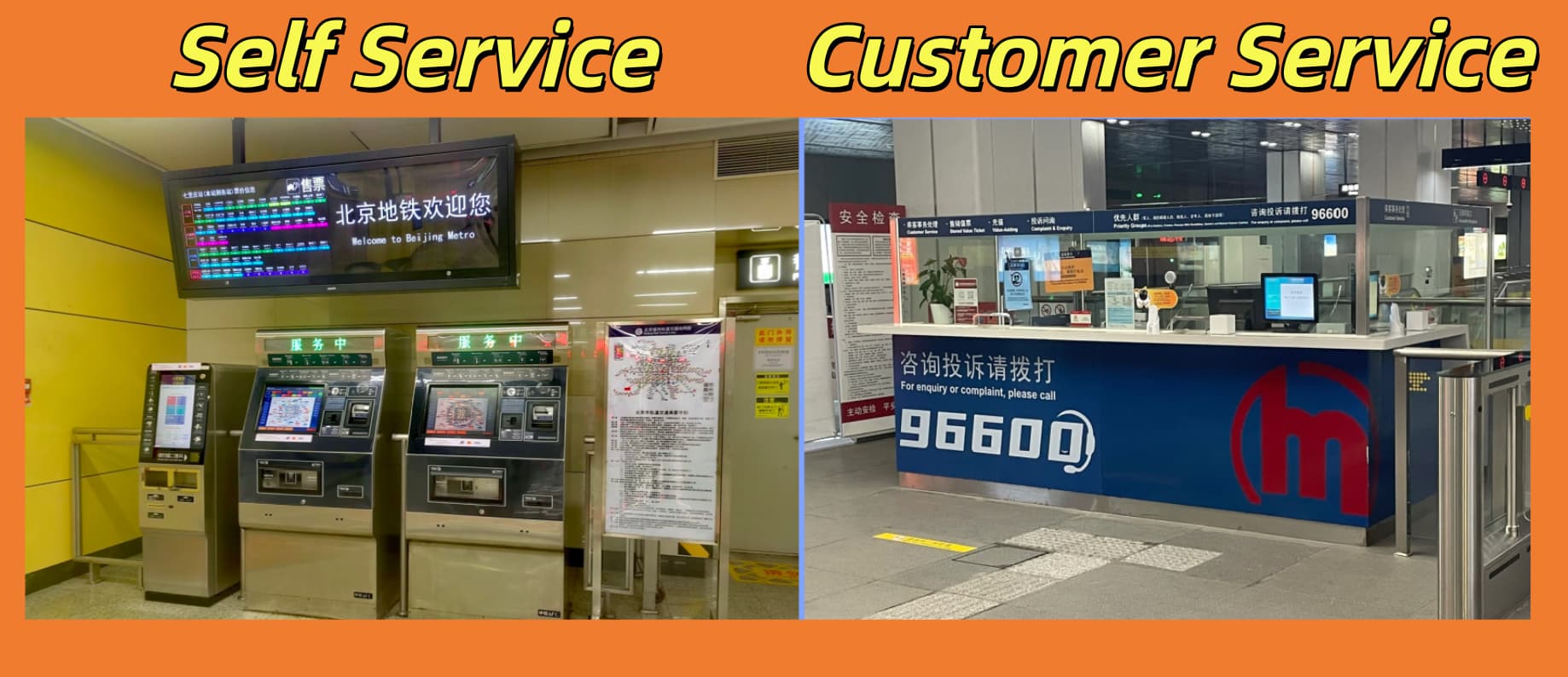
Subway Station Self-Service Ticket Machines/Manual Ticket Windows: You can buy single-trip paper tickets at these two places, using WeChat, Alipay, cash, or international bank cards.
- Currently, almost only Beijing's self-service ticket machines support international bank cards. If you need to use an international card, go to the manual ticket window.
- Some self-service machines only accept coins, while others accept paper bills. Check before using the machine.
- Self-service ticket machines support English.
-
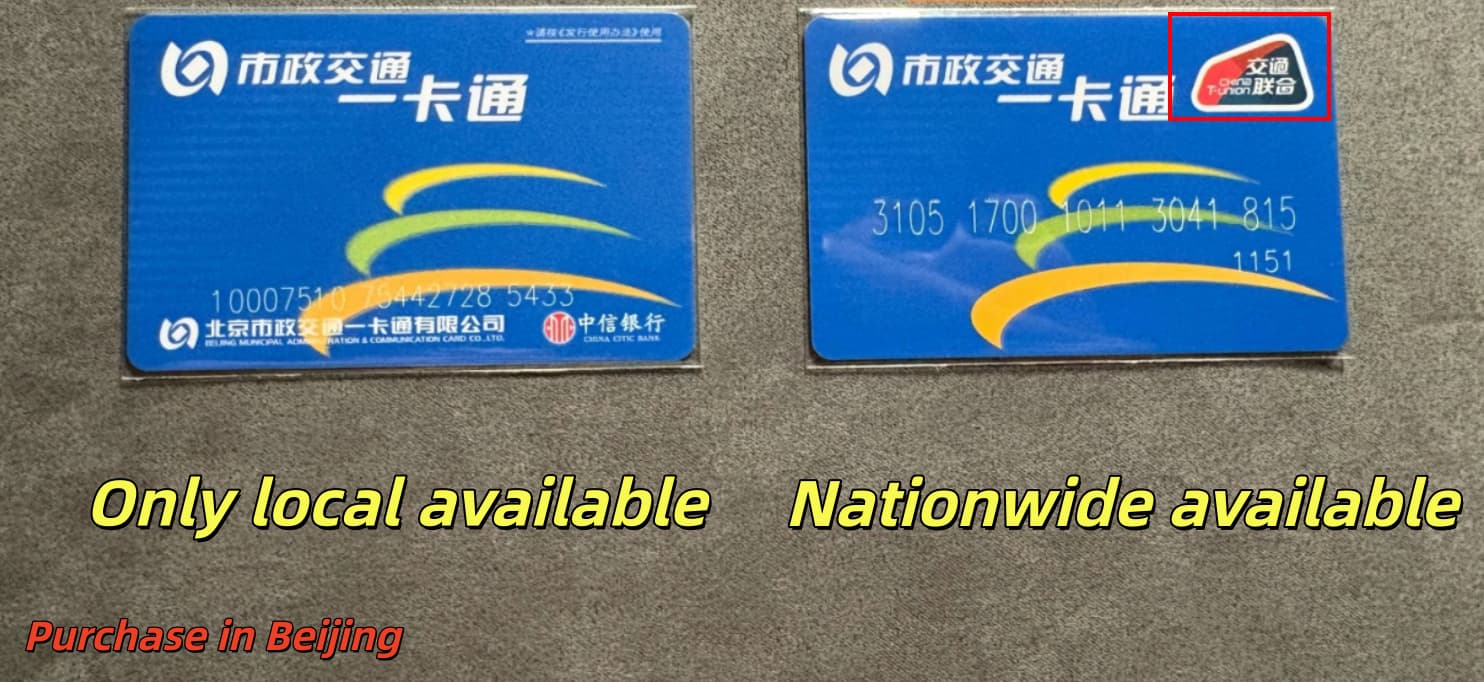
Prepaid Card: You can purchase a prepaid card at the manual ticket window in subway stations (taking Beijing as an example, deposit 20 RMB, maximum recharge 1000 RMB, balance refundable), which can be used for public transportation such as buses, subways, and ferries in the city.
Before purchasing, it's recommended to ask the staff the following questions:
- Is this prepaid card usable nationwide or only locally? (Some cards are part of the national transportation union and can be used nationwide.)
- How to get a refund? (Refunds may have station restrictions, amount limits, etc.)
Riding the Subway
-
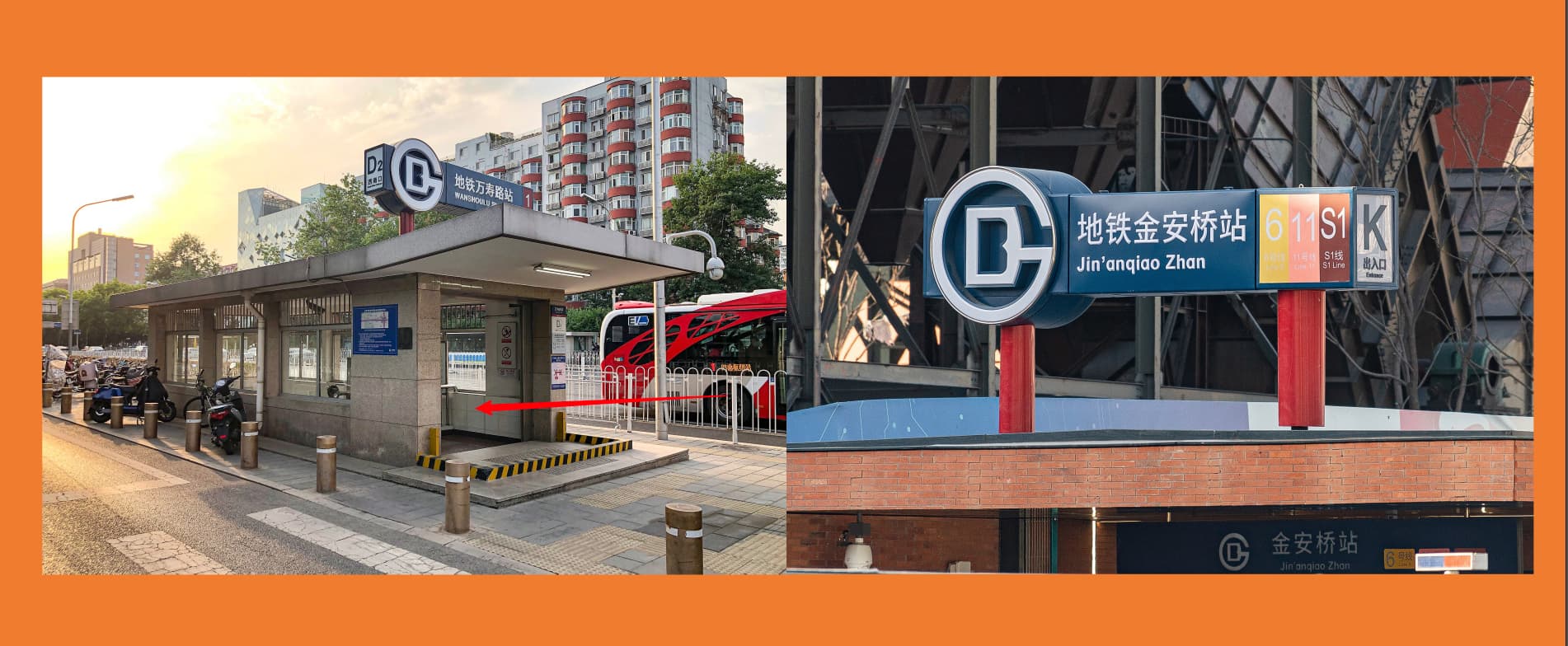
Follow the map app to enter the designated subway station
-
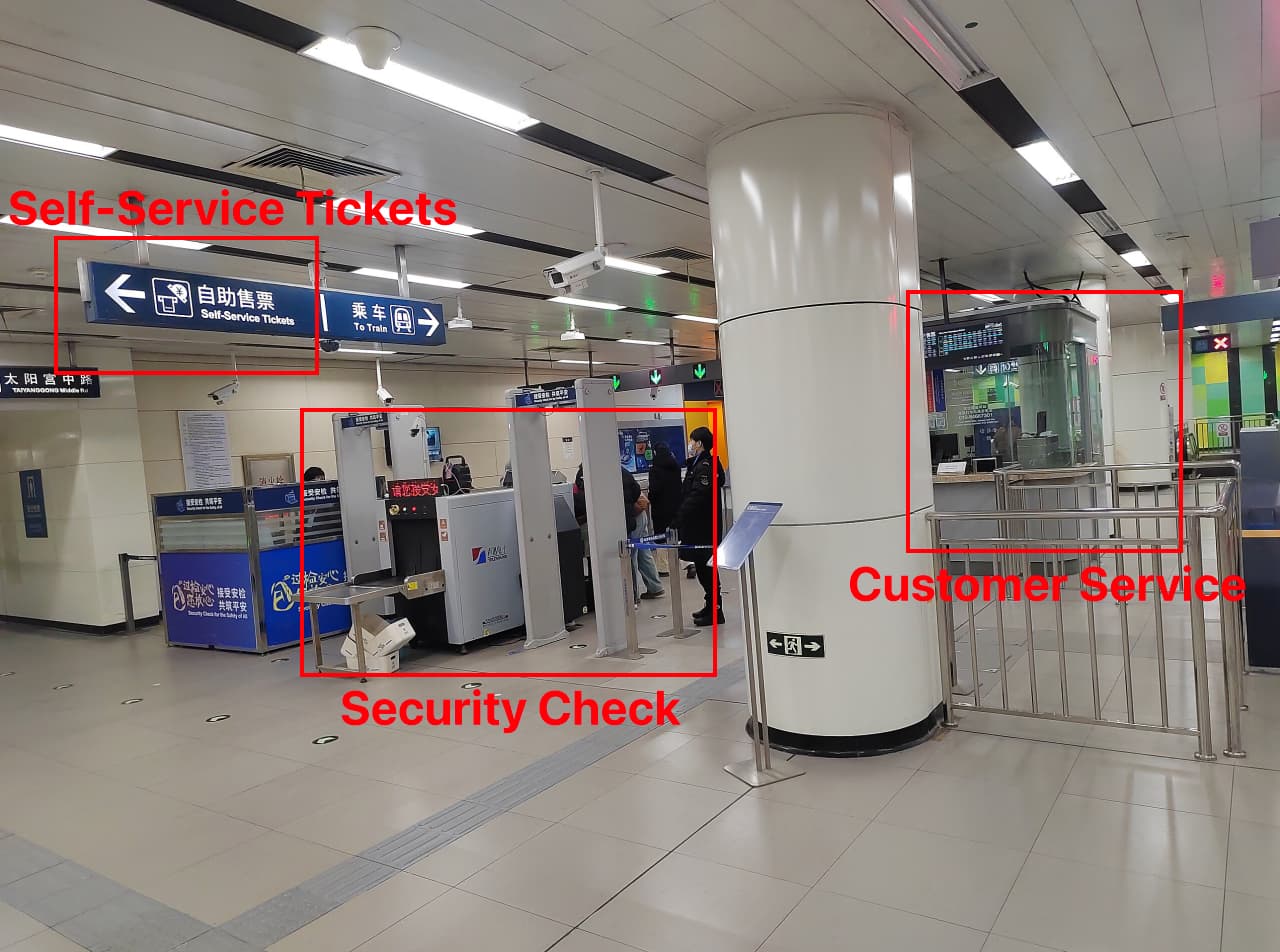
Undergo security screening for people and carried items (if you need to buy tickets on-site, go to the self-service ticket machine or manual ticket window)
-
Pass through the gate (scan bank card, QR code, or paper ticket)
-
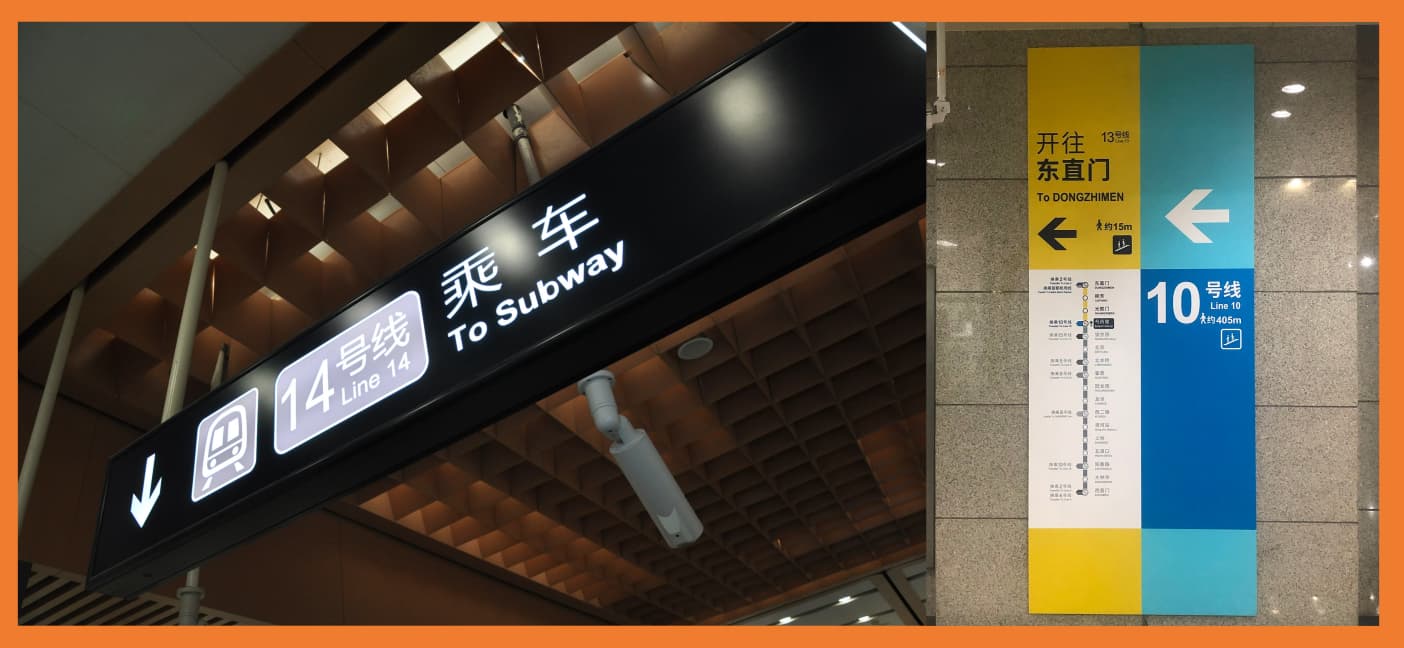
Follow the signs to find the platform for the corresponding subway line
-
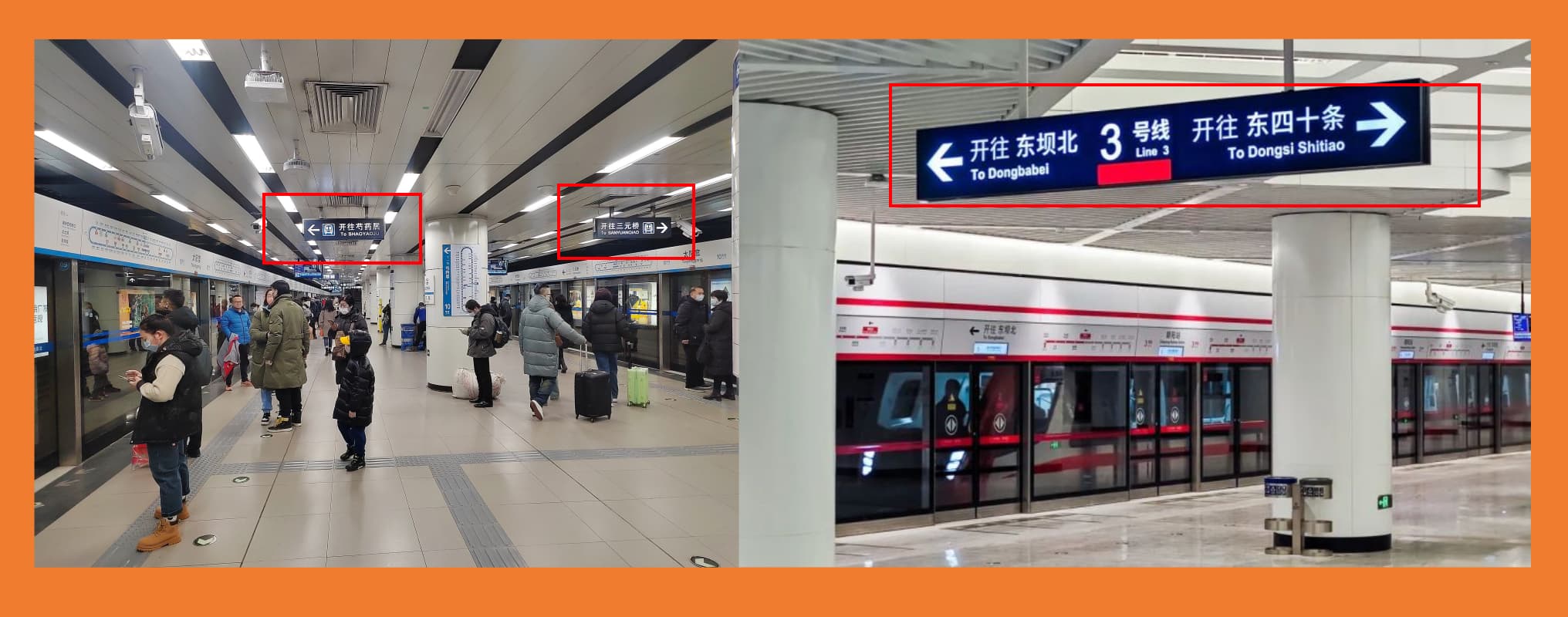
After entering the platform, note that the two sides of the platform are for the same line in opposite directions. Confirm the direction you need and wait for the train according to the signs.
-
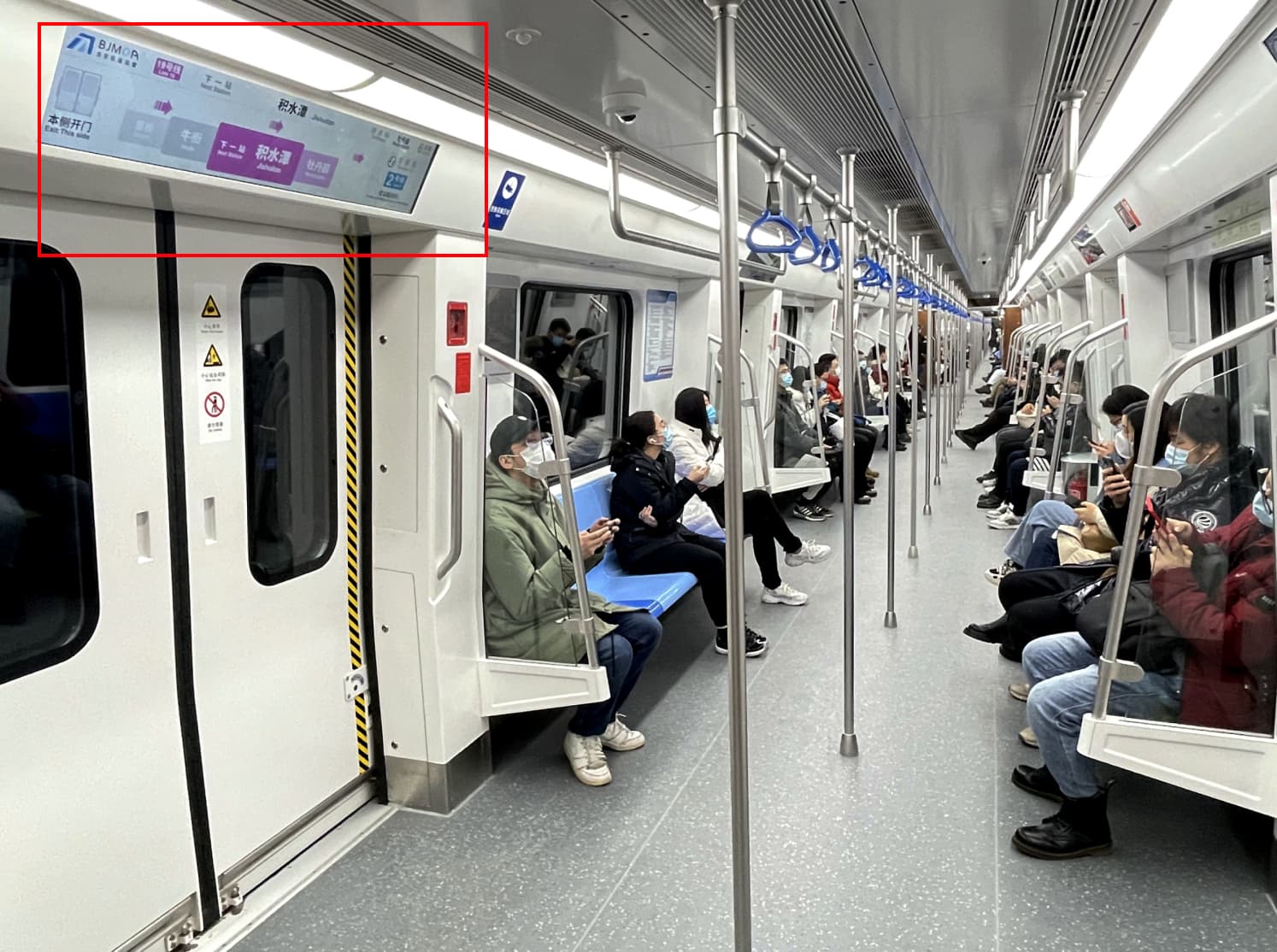
After boarding, pay attention to the in-car screens and announcements, prepare to get off in advance, and avoid missing your stop
-
Upon arrival, scan your previous subway credential (bank card, QR code, paper ticket) again at the exit gate
-
Pass through the exit gate and follow the signs to exit from the corresponding A, B, C, D, etc. exits
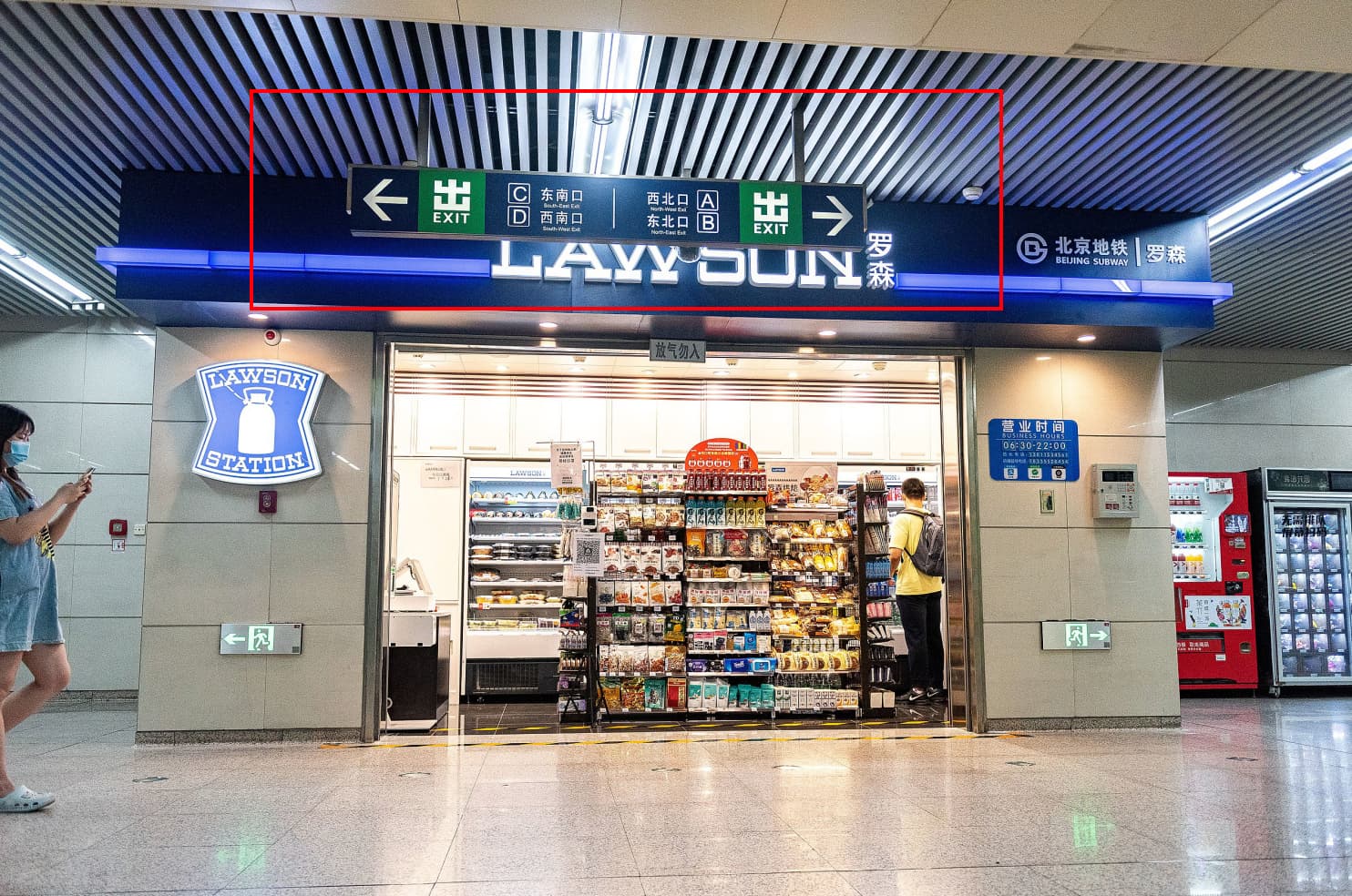
Security Check
Subway regulations are similar across cities nationwide. The following uses Beijing's subway rules as an example. For more details, search for the relevant city's subway regulations.
Item Restrictions
- Passengers' carried items must not exceed 30 kg in weight, 1.8 m in length, or 0.5 m in both width and height.
- More than 2 ordinary lighters; more than 2 small boxes of safety matches; more than 20 ml of nail polish, nail polish remover, or hair dye; more than 120 ml of cold perm solution, mousse, hair gel, insecticide, air freshener, or other self-spray pressure containers.
- Folding bicycles, various scooters, roller skates, skateboards, etc., are not allowed to be used in stations or cars. Inflatable balloons are not allowed on board, nor are electric mobility devices (except electric wheelchairs).
- Firearms, ammunition (including parts and replicas): pistols, rifles, air guns, prop guns, bullets.
- Explosive items (including replicas): bombs, grenades, explosives, detonators, fireworks, firecrackers, black powder.
- Controlled instruments: daggers, spring-loaded knives (switchblades), three-edged knives, crossbows, stun guns, tear gas sprays, batons.
- Flammable and explosive items: gasoline, diesel, alcohol, paint, potassium permanganate, hydrogen peroxide, yellow phosphorus.
- Toxic and corrosive items: cyanides, highly toxic pesticides, arsenic, sulfuric acid, hydrochloric acid, batteries (containing acid or alkaline liquid), mercury.
- Radioactive items and infectious disease pathogens: radioactive isotopes, hepatitis B virus, anthrax bacillus, etc.
- Other items hazardous to safety: strong magnets (that interfere with signals), items with strong irritating odors, items of unknown nature that may be dangerous, live animals (except guide dogs).
For details, refer to:
Riding the Bus
Compared to taking the subway, riding the bus is even simpler.
Buying Tickets
- Alipay/WeChat: After real-name verification with your passport in the app and binding a bank card, you can apply for the most universal and stable method nationwide—simply scan your dedicated QR code to board.
- Using cash (no change provided)
- Using a prepaid card (refer to How to Purchase a Prepaid Card)
Riding the Bus
Taking Beijing buses as an example, Beijing buses use segmented pricing, so you need to scan again before getting off to confirm the distance. In other cities, you generally only need to scan once upon boarding.
- Buses usually have two entrances: front door for boarding, rear door for alighting (each entrance has a scanning machine)
- After boarding, insert coins (usually 2 RMB), scan QR code, or swipe card
- Pay attention to the in-bus announcements (if there is a security personnel on board, they can assist if you're unfamiliar)
- If using card or QR code, remember to scan again before getting off (to confirm your distance and deduct the fare)
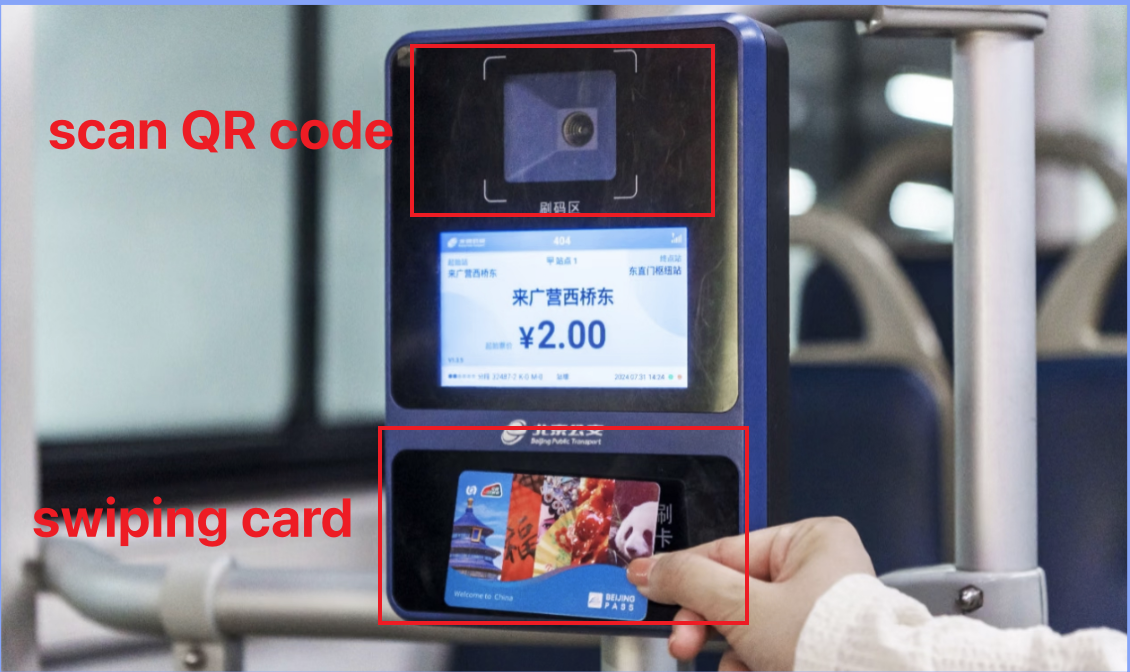
Traveling with Children
- Regardless of subway or bus, children under 1.3 meters in height ride for free, while those over 1.3 meters pay full fare.
- When traveling with children, if tickets are needed, it's recommended to prepare an additional ticketing method, as your Alipay or WeChat account typically supports only one person per ride.
Written by
Richie Shi
I’m Richie. I help foreigners solve problems related to China. Feel free to reach out directly.
Recommended articles
All guidesHow to Book Hotels in China as a Foreigner: 2026 GuideCompare Trip.com, Agoda, Booking.com, Expedia and local hotel apps, then avoid issues with foreign guest policies, passports, credit cards and deposits.Richie Shi China SIM Card, eSIM or Roaming? 2026 Guide for ForeignersCompare China SIM cards, eSIMs, and roaming in 2026, with airport vs city buying tips, carrier choices, passport rules, and VPN advice.Richie Shi
 How to Book China High-Speed Rail Tickets in 2026Book China high-speed rail tickets as a foreigner with passport tips, Trip.com vs 12306, 15-day sales, reservations, payment options, and boarding steps.Richie Shi
China SIM Card, eSIM or Roaming? 2026 Guide for ForeignersCompare China SIM cards, eSIMs, and roaming in 2026, with airport vs city buying tips, carrier choices, passport rules, and VPN advice.Richie ShiHow to Book China High-Speed Rail Tickets in 2026Book China high-speed rail tickets as a foreigner with passport tips, Trip.com vs 12306, 15-day sales, reservations, payment options, and boarding steps.Richie Shi