

Chinese New Year in a Shandong Village: 2026 Story
Experience Chinese New Year in a rural Shandong village through one family’s 2026 homecoming, ancestral rituals, dumplings, couplets, and fading customs.

–10 min read
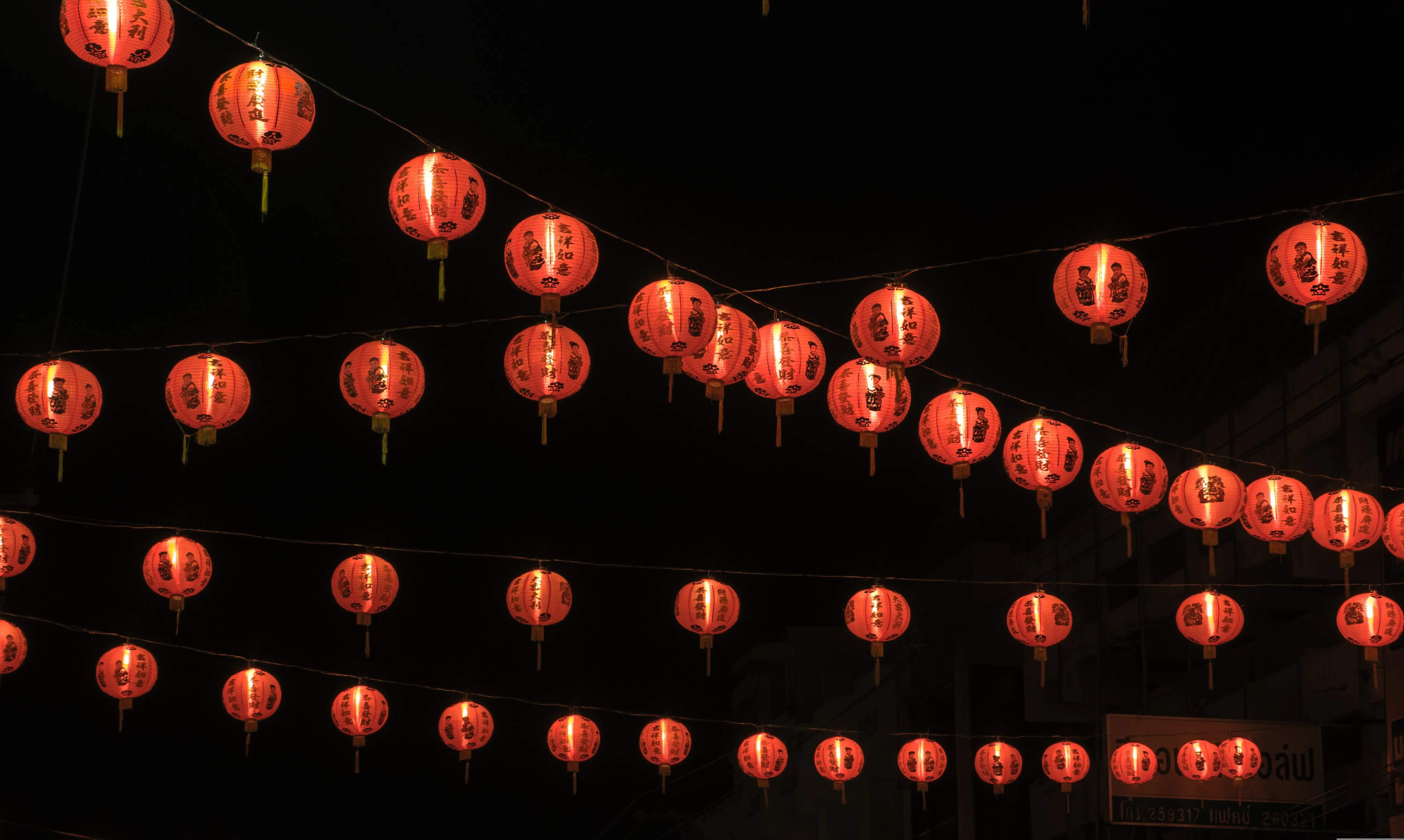
Chinese New Year in a Shandong Village: 2026 Story
Experience Chinese New Year in a rural Shandong village through one family’s 2026 homecoming, ancestral rituals, dumplings, couplets, and fading customs.
–10 min read
Editor's Note:
After publishing some practical guides, I realized that truly understanding China goes beyond tools and procedures—you also need to grasp its culture and way of life.
It happens to be the Chinese Lunar New Year, one of the most important traditional festivals in China. This article records the real experiences of an ordinary Chinese family during Spring Festival, hoping that through everyday activities and family rituals, readers can more vividly feel the festive culture of Chinese people.
China is vast, and customs vary greatly from region to region. This piece only represents how one family in northern China celebrates the New Year; other areas may have different practices.
Although the Spring Festival has already passed, I still wish everyone a happy New Year!
Setting Off — Five Days Until Chinese New Year
I dragged my suitcase out the door; the sky in Beijing hadn’t fully brightened yet. Today was the 25th day of the 12th lunar month, just five days away from the Chinese Lunar New Year.
My name is Richie. I’m twenty-seven, born in Dezhou, Shandong Province, and I currently work in Beijing.
In China, people like me have a special name: Beipiao — “Beijing drifters.” They’re the ones who, over decades of urbanization, left their hometowns to make a living in big cities.
Beijing isn’t actually that far from Dezhou — just over 300 kilometers, about an hour and a half by high-speed train. But this year, I’ve only gone back twice, and this trip feels like something etched deep into my bones.
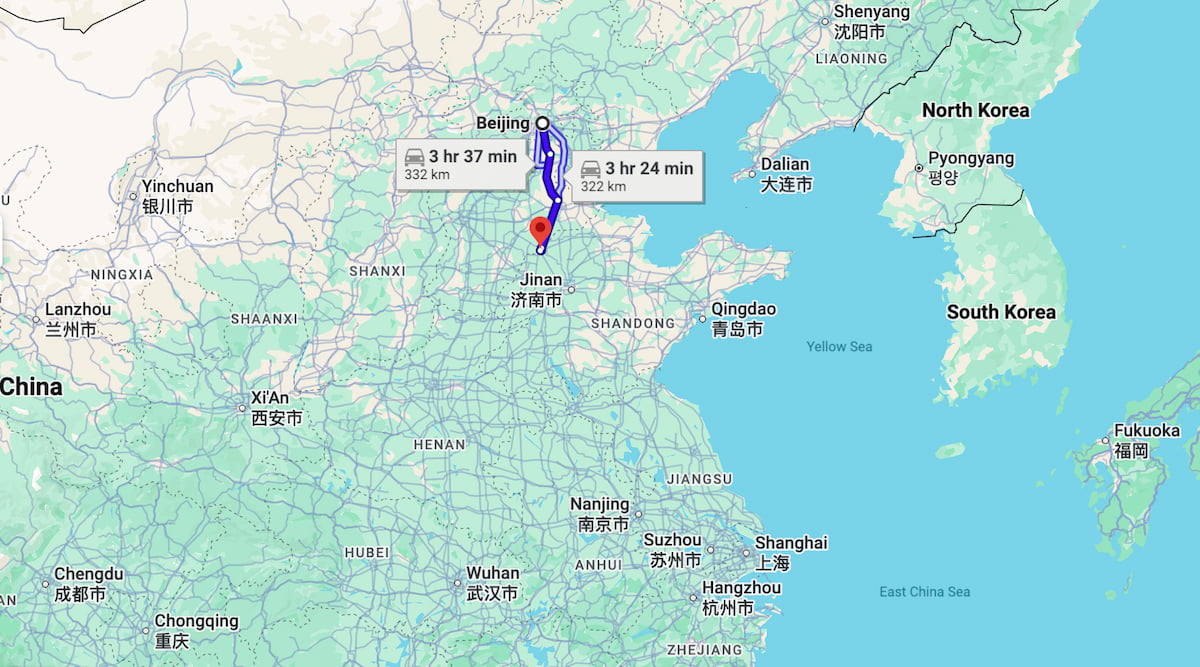
At its core, the Chinese Lunar New Year is about reunion — no matter how far apart people are, going home for New Year remains an unshakable obsession for Chinese people.
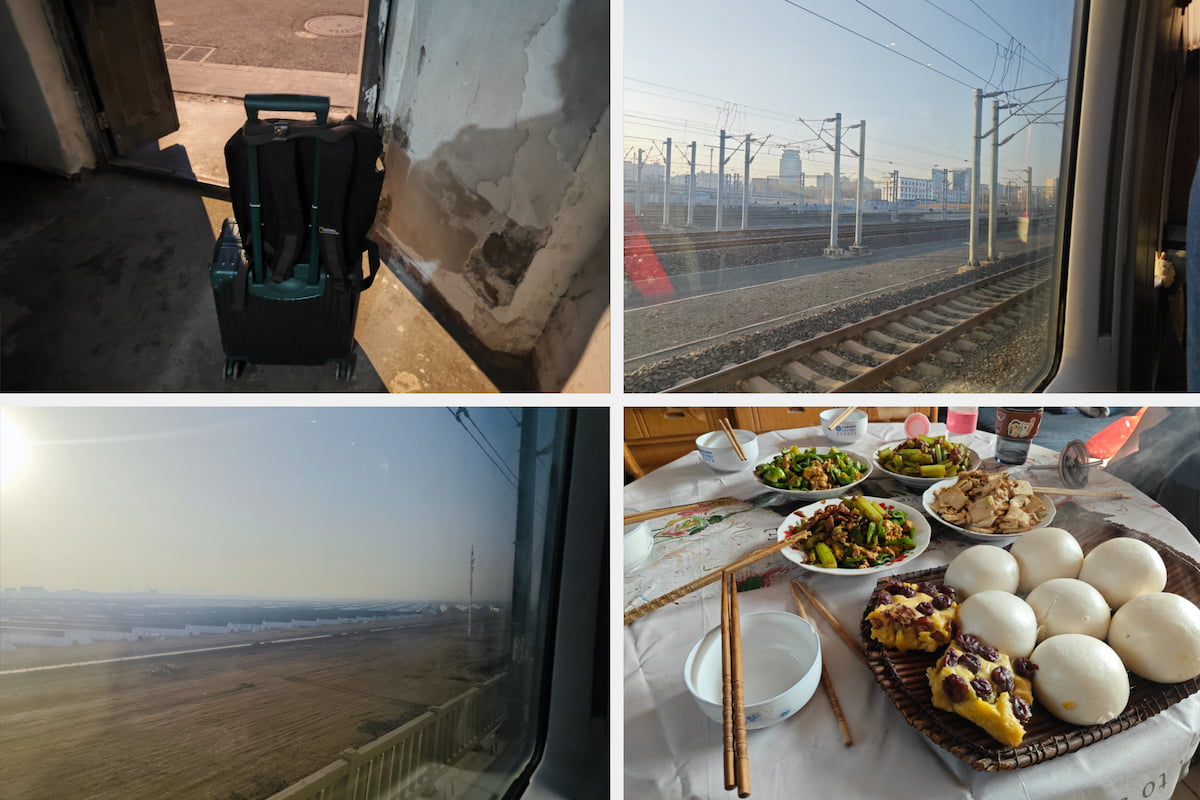
At 7:30, I arrived at Beijing South Railway Station. The 8:00 train to Dezhou pulled out right on time. Through the window, the scenery gradually shifted from high-rises to open fields — the North China Plain in winter is a muted gray-brown. The trees have shed every last leaf, and the rivers have fallen silent.
By 9:30, I was at Dezhou East Station, walking out the exit. Dad’s car was already waiting by the roadside. Another forty minutes and I was back home in our town.
Just in time — my uncle’s kids, my younger cousins, had come back from the county seat right after school holidays started to visit our grandparents. So that noon, we all gathered for a small family lunch at Grandpa’s place.
Now the next few days, I can finally rest properly.
New Year's Eve — One Day Until the New Year
Today, our family of three and my uncle's family of four are all heading to Grandpa and Grandma's place to spend the New Year together.
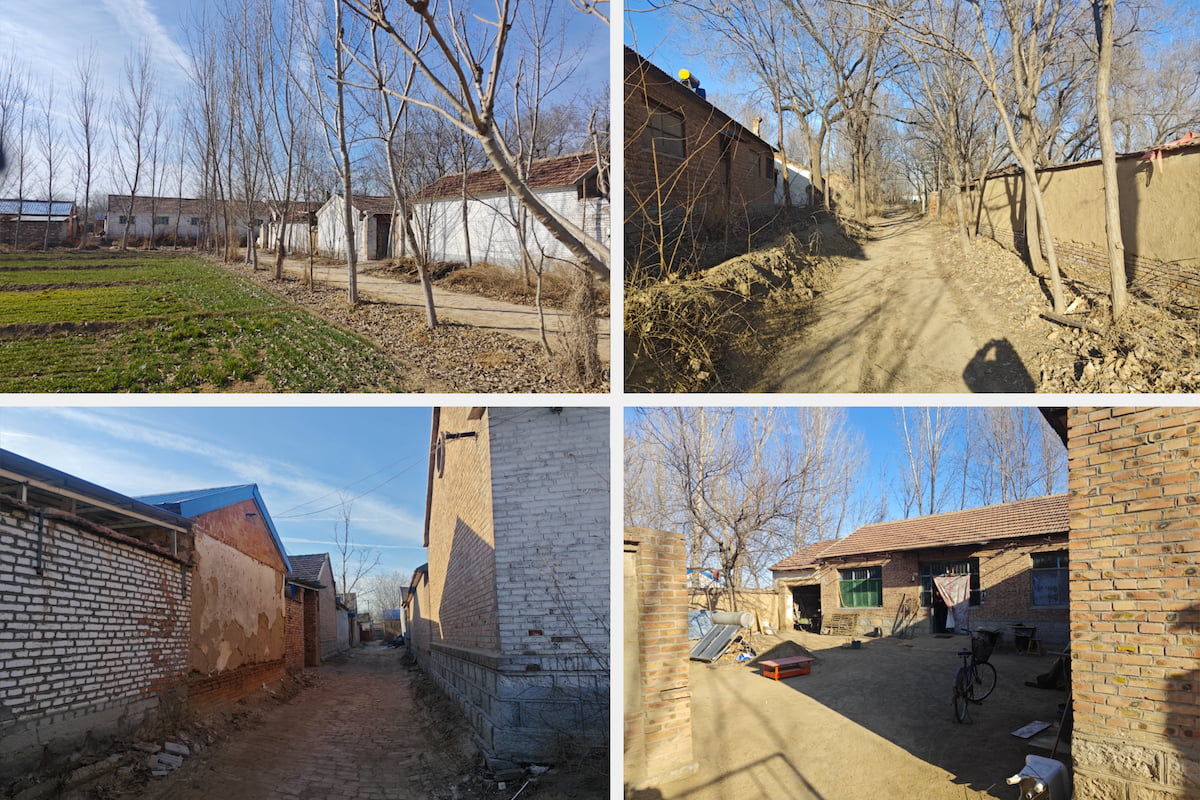
Grandpa's house is in the village, where I lived for a few years as a kid. Every alley, every building there is tied to my childhood memories.These days, young people have mostly left, and the older generation is slowly passing away. What's left are locked doors and empty lanes.
Every time I come back, I feel something hard to put into words — everything is still here, yet nothing is quite the same.
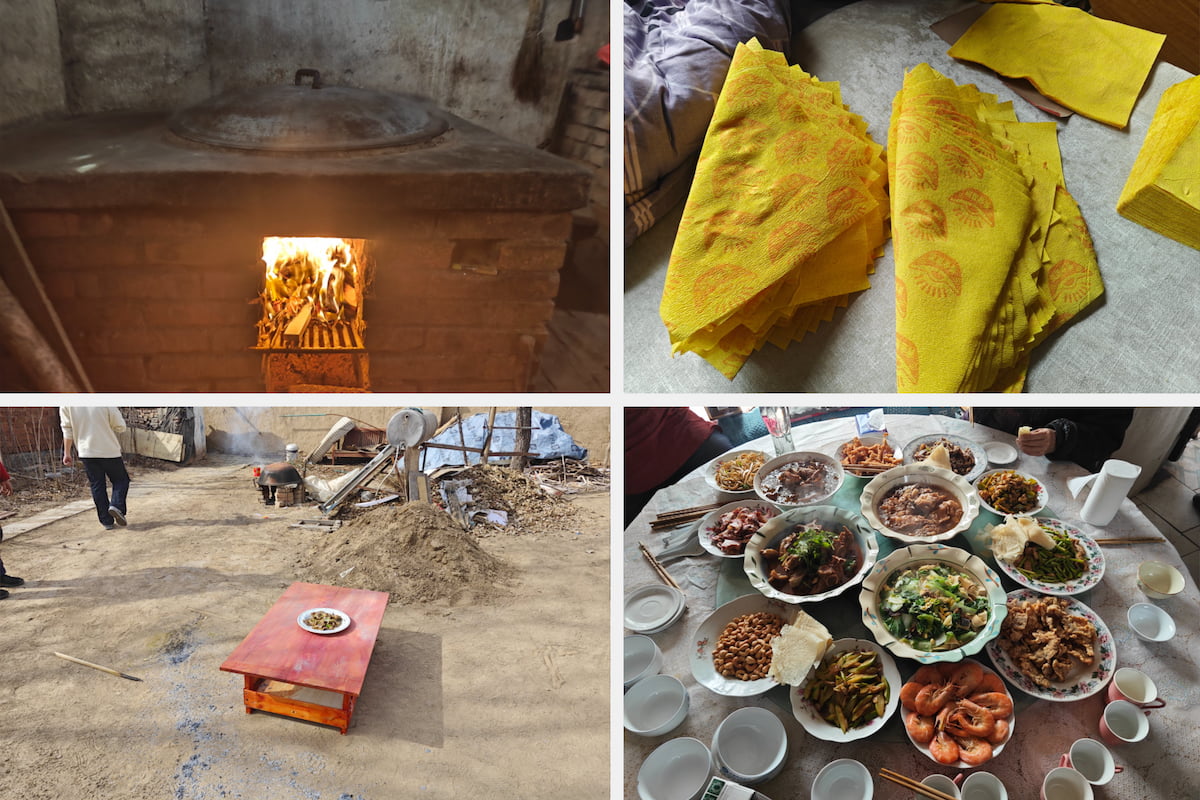
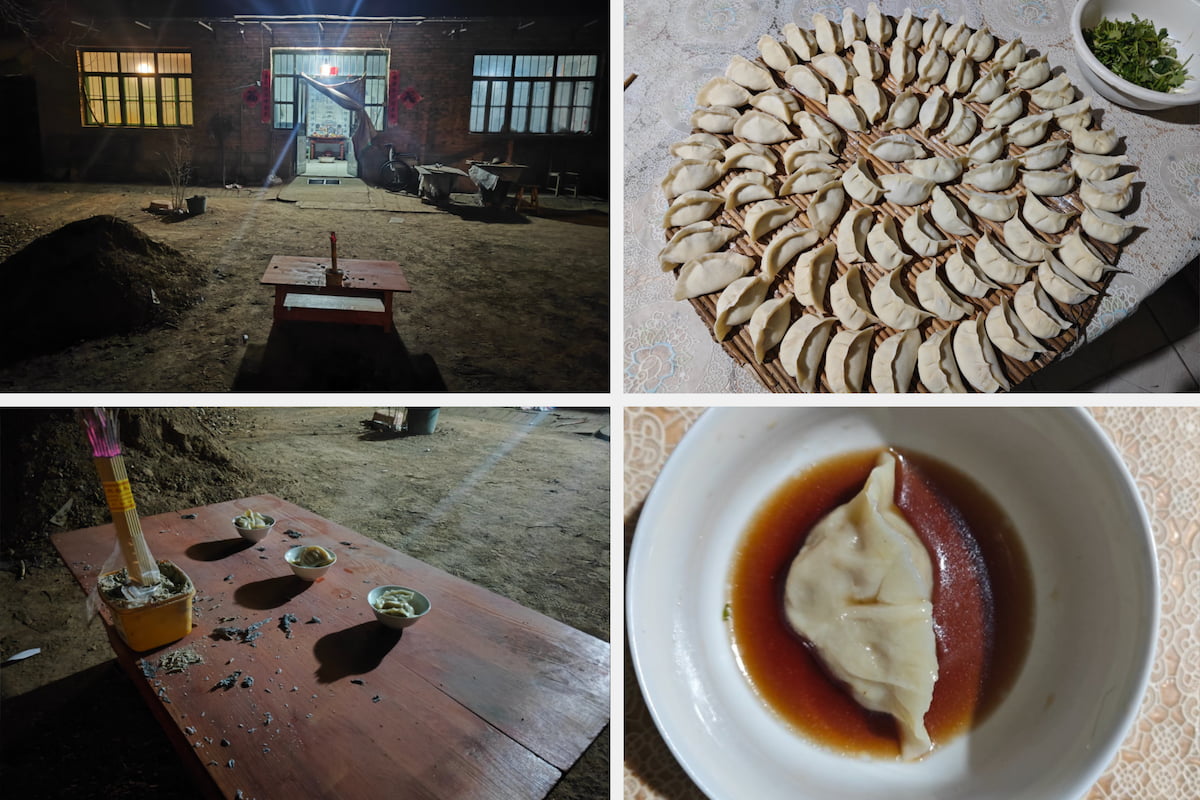
After a busy morning, a big table of dishes was ready. But before everyone sat down, there was one more thing to do: making offerings to heaven — presenting food upward as a sign of respect and prayer.
Around here, the sky is called "Heavenly Grandpa", like an ancient, hazy ancestral figure of the family — a sacred presence that's both distant and familiar.
For the offering, we set out some of the prepared food on a table in the courtyard, then burn yellow joss paper — special yellow paper made for sacrifices. The belief is that as it burns, the offerings and our intentions rise to reach the ancestors and spirits in the other world. After that, we light firecrackers, kneel, kowtow, and pray silently for the family's peace and smoothness in the coming year.
Usually, Grandpa, Dad, and my uncle handle this ritual. My younger brother and I, as the youngest generation, don't feel much about it — we just get pulled along and follow suit. If no one cares, we skip it. I wonder if, when it's really our turn to take the lead, this tradition will still survive.
The firecrackers crackled loudly. I stood by the courtyard wall covering my ears, watching the smoke from the burning paper drift slowly upward, blending bit by bit into the cold winter air.
With the offering done, the whole family finally sat down to eat.
We ate and chatted — gossip, updates on each household: whose family had a new baby, whose elder had passed, whose kid was about to get married. Whenever marriage came up, the mood shifted slightly, and the elders' eyes would drift toward me.It wasn't scolding or pressuring, just that meaningful concern: asking if I'd met anyone suitable, gently urging me not to wait too long.
I smiled, gave vague answers, picked up a chopstickful of food, and tried to steer the conversation elsewhere.This back-and-forth happens every year. The elders have their worries; I have my own difficulties — financial pressures, and that ever-uncertain question: when will I really be "ready"?
The heated debates from a few years ago are gone. I no longer try to convince them to update their views. We still finished the meal properly, but it wasn't quite as carefree as it could have been.
After lunch, a short rest, then the afternoon tasks came one after another.
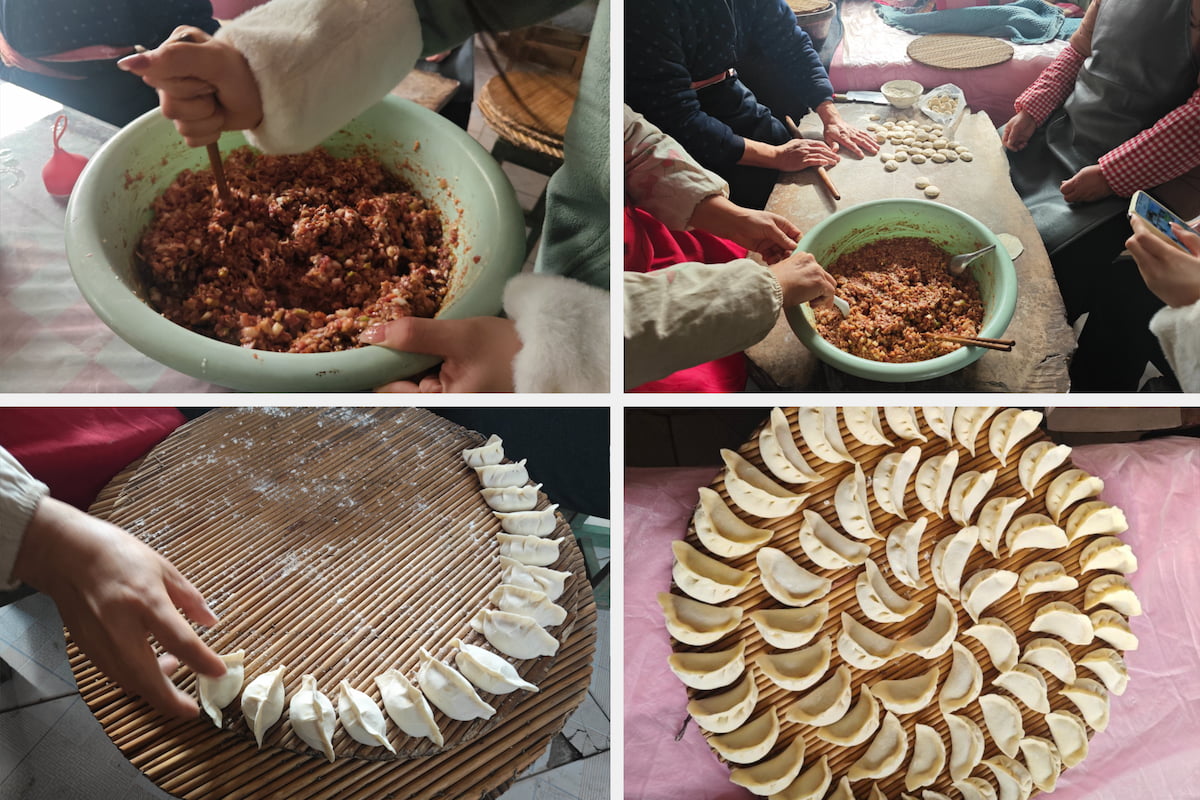
Some people sat around to prepare dumplings for tomorrow morning.
Meanwhile, we started pasting spring couplets.
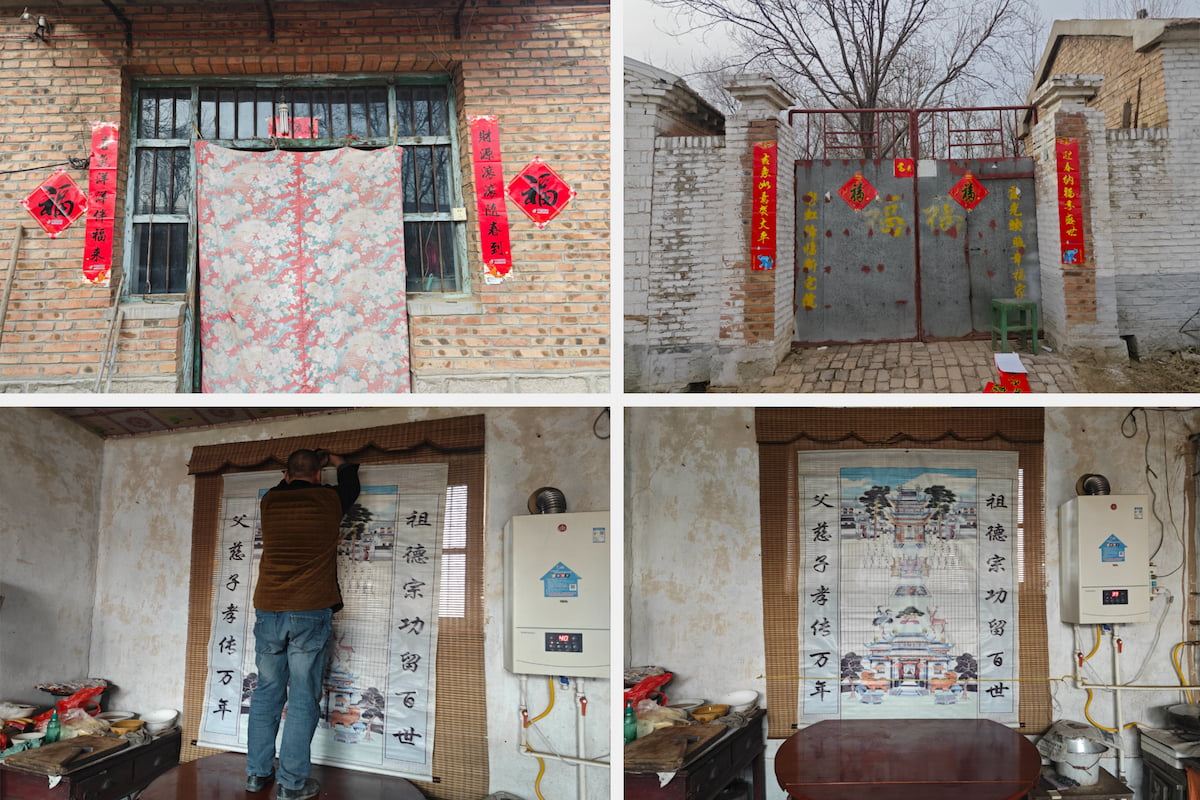
Spring couplets are poetic lines written on red paper, posted from the house door all the way to the courtyard gate — usually in three parts: a vertical pair on each side of the door (same character count, matching in meaning), and a horizontal one above the lintel to tie the blessings together. They're full of New Year wishes: health, peace, prosperity.
Red symbolizes joy and festivity in Chinese culture and is believed to ward off misfortune. Pasting them up means seeing off the old year and officially welcoming the new.
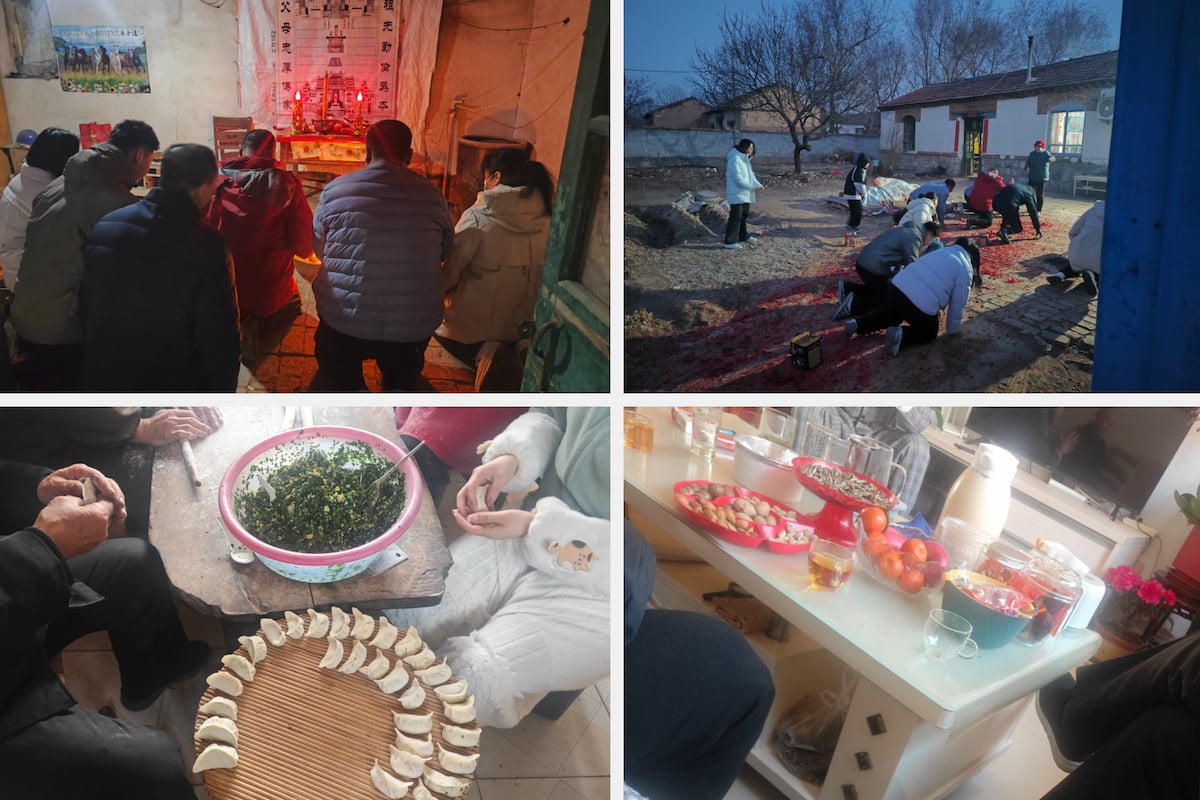
After the couplets came hanging the family ancestral scroll.
The family scroll is a long roll listing ancestors' names, starting from the earliest in our lineage and recording generation by generation. It's hung on the main wall of the main room — like an unfurled family tree.
During festivals, we burn incense and kowtow before it, expressing longing and respect for those who've passed. People also believe the ancestors are never truly gone; they're watching over their descendants from the other side.
The rituals weren't over yet.
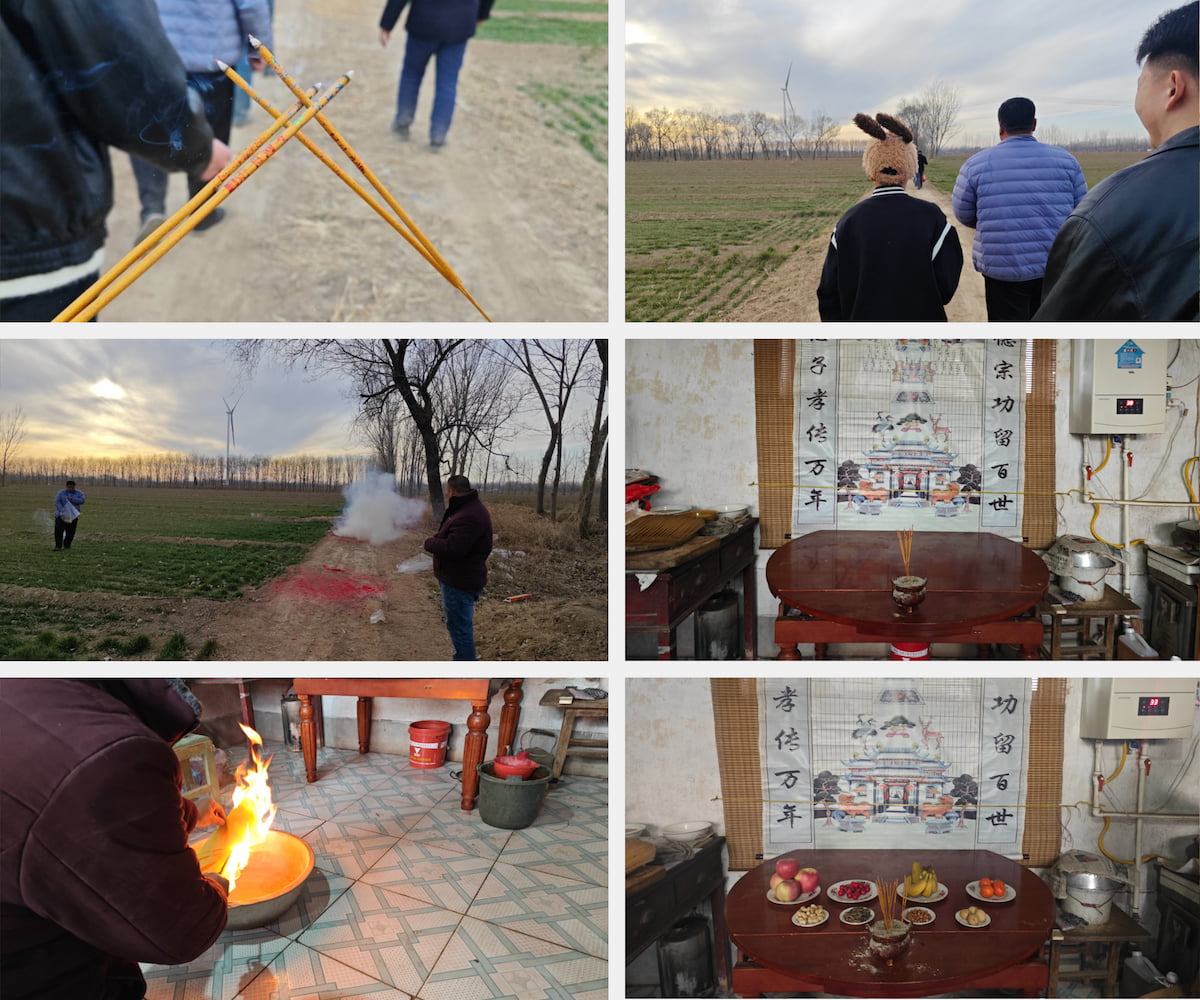
Soon after hanging the scroll, folks from my grandpa's eldest brother and fifth brother families arrived from the city. Each of us took a stick of incense and walked together to the ancestral graves in the fields outside the village.
Incense is a thin stick that burns slowly, giving off light smoke for twenty or thirty minutes. In Chinese sacrificial culture, it's the medium for communicating with ancestors or spirits — the smoke carries our intentions to the other world.
Near the graves, we set off firecrackers, bowed, and murmured quietly, inviting the ancestors to "come home for the New Year".
Back home, we stuck the incense into the burner in front of the ancestral scroll, burned another stack of yellow joss paper, and placed dried fruits and fresh fruits on the offering table. It's an ancient form of hospitality — welcoming those no longer in this world in a very human way.
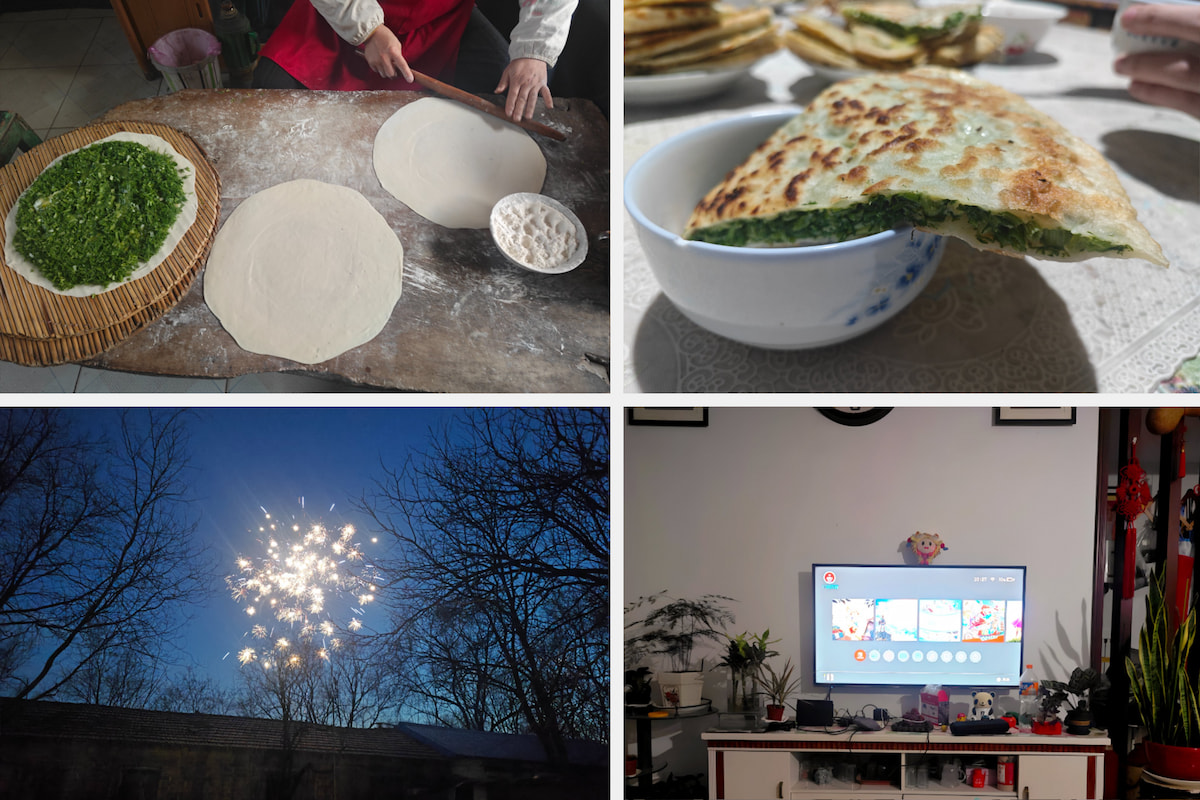
At dusk, everything was ready. We started making tonight's dinner: lào hézi (pan-fried stuffed pancakes).
Lào hézi is a traditional home-style dish in North China — dough wrappers filled with vegetables or meat, pan-fried until golden and crispy on the outside, tender and juicy inside. We eat it on New Year's Eve because its "wrapped" shape symbolizes sealing in good fortune and wealth, and it stands for family wholeness and reunion.
After dinner, night had fully fallen. Fireworks lit up the winter sky from all directions, and firecracker sounds rose and fell, echoing over the village for a long time.
We have to get up early tomorrow, so after the meal we dispersed early, each heading home. Some turned on the TV for the annual Spring Festival Gala; the younger ones played games. In some houses, friends and neighbors gathered to play mahjong, staying up until midnight to exchange blessings the moment the New Year arrived.
Chinese New Year — First Day of the New Year
At 5:00 in the morning, we gathered again at Grandpa and Grandma's house.
In the courtyard, Grandpa had already lit fresh incense on the offering table. We started a fire, boiled water, and began cooking the dumplings we had wrapped the day before.
Once they were ready, we first ladled out three small bowls and placed them on the courtyard offering table as an offering to “Heavenly Grandpa.” A little later, we moved them in front of the family ancestral scroll for the ancestors to partake.
By 5:30, the dumplings were brought to the table, and everyone sat around.The shape of dumplings resembles ancient Chinese gold ingots — boat-shaped with both ends slightly upturned. Eating dumplings on the first day of the New Year symbolizes attracting wealth and good fortune. On the table was Laba vinegar — garlic pickled in vinegar; after pickling, the garlic cloves turn a beautiful jade green, and the vinegar takes on a rich garlic aroma. It's a special condiment unique to our New Year's table.
Dipping into that sour-spicy bite and eating the first bowl of dumplings marked the true beginning of the New Year.
Around 6:30, just as the sky began to lighten, the younger generation in the village started gathering to go house by house giving New Year greetings to the elders.
People from the same family branch often go together. They enter an elder's courtyard, kneel, kowtow, and offer greetings. For closer branches of the family, they also kneel together in front of the family ancestral scroll to pay respects to that particular lineage's ancestors.The host comes out, exchanges a few warm words, and then this group moves on to the next house.
In this way, over one clear morning, lane after lane, we completed a pilgrimage through the entire network of our extended family.
By around 9:00 in the morning, the family New Year greeting rounds had mostly wrapped up.
After a short rest, we started wrapping a second batch of dumplings — this time vegetarian fillings. The unspoken custom here is meat in the morning, vegetarian at noon during New Year. I don't know the exact reasoning behind it anymore, but it's been done year after year, so we just keep doing it.
In the afternoon, we drove into the city to visit other relatives and elders.
These people are usually busy with their own lives; the one time a year we really see each other face-to-face is often during this period. Everyone sits down, catches up on how the year has gone for each family, asks about the kids' studies, checks in on the elders' health, shares a dinner together, and eases the fatigue from running around on New Year's Day.
Second Day of the Lunar New Year
At six thirty in the morning, the sky still wasn’t fully light.
Carrying yellow joss paper and firecrackers, we walked toward the ancestral graves scattered across the fields.
On the North China Plain in winter, only the wheat fields stay green.
The ancestors’ tombs are simple mounds of earth rising gently from the ground, dotting this vast open land — quiet and unadorned.
At each grave, we first placed two sheets of yellow joss paper on top, then lit a stack of them, set off firecrackers, and kowtowed.
The yellow paper curled slowly in the flames, its edges turning ashen white. Tiny sparks drifted upward with the wind, scattering bit by bit and disappearing into the dim morning sky, carrying the descendants’ thoughts and care with them.
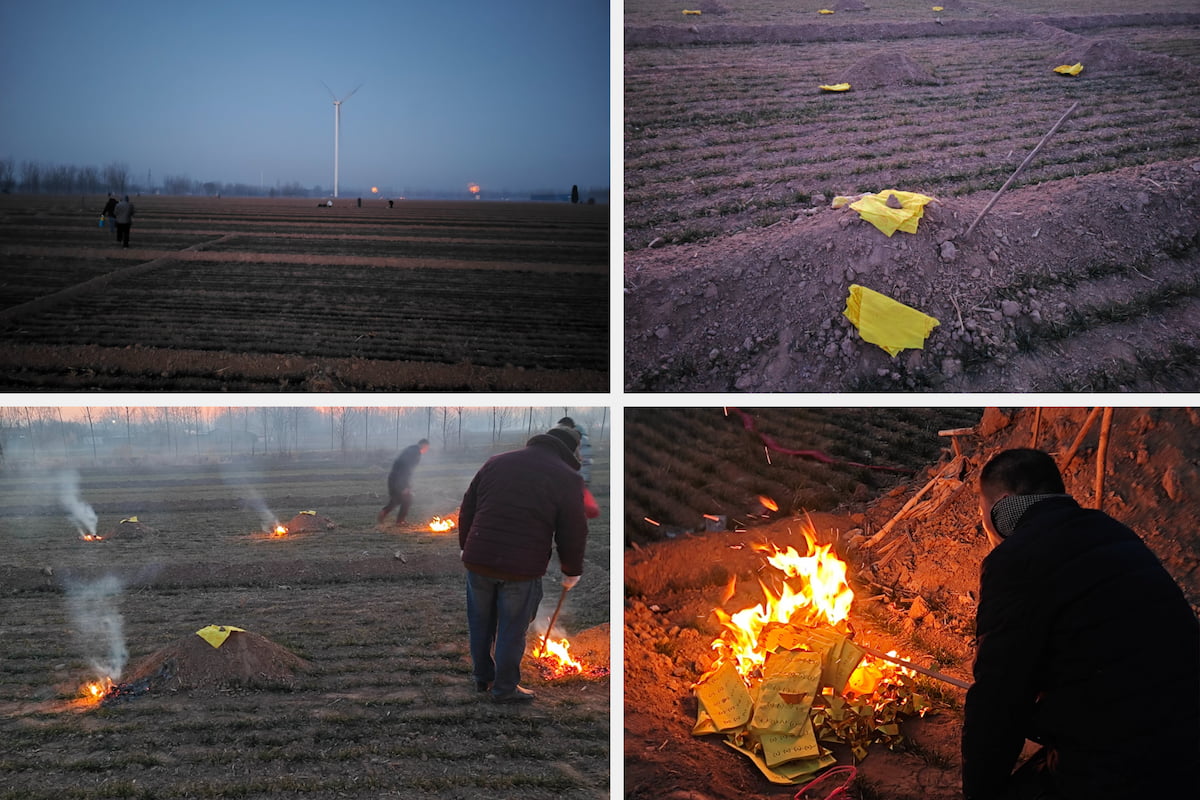
By the time we finished paying respects, a faint orange glow had appeared in the east. The sun rose slowly, spreading soft morning light across the land.
After breakfast, we set out again — this time farther afield — to visit more relatives and pay respects at more ancestral graves.
By the end of this day, the formal New Year celebrations came to a close. The rest of the holiday we reserved for friends — for the people we rarely get to see in everyday life.
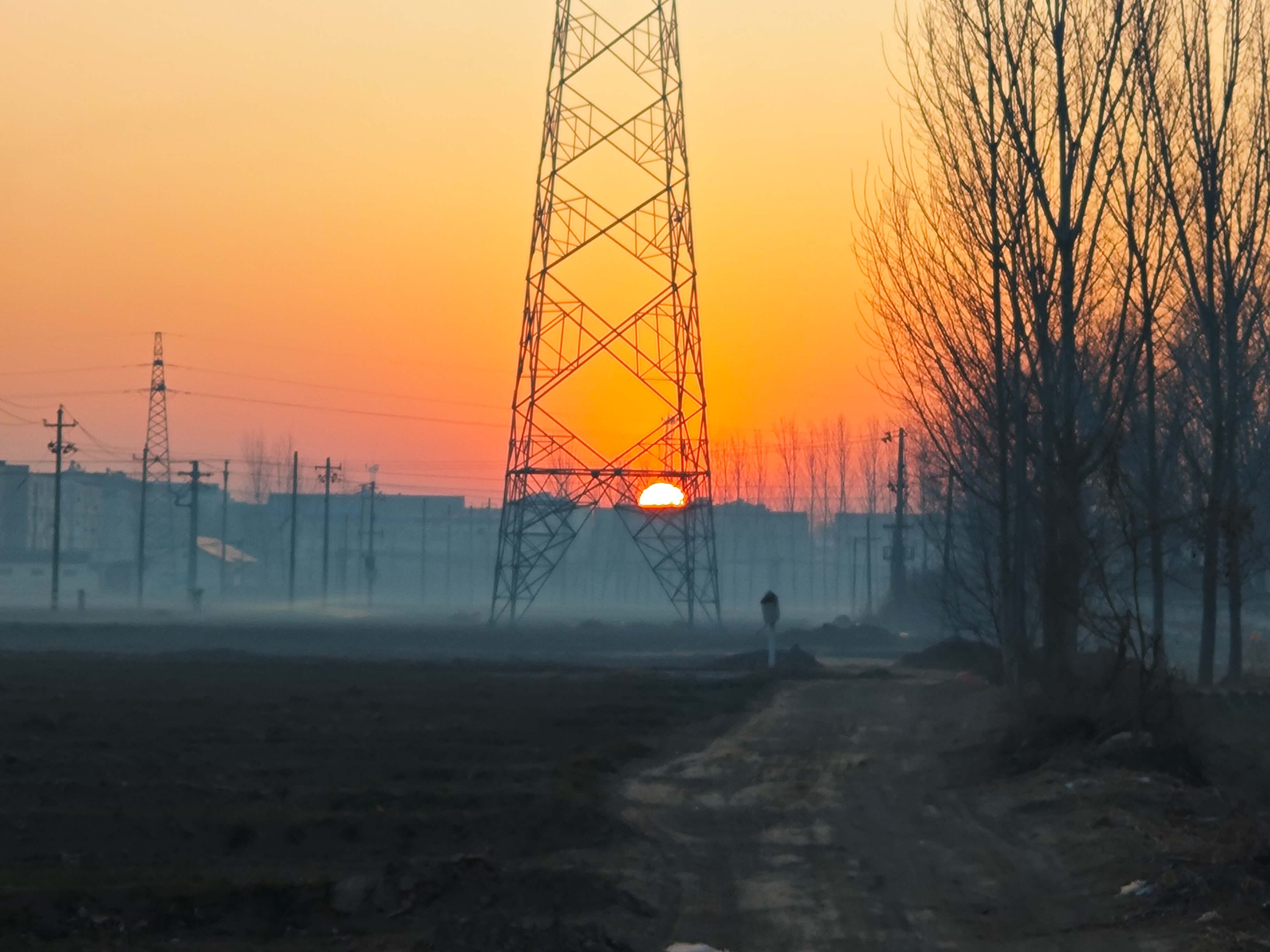
The Return Journey
And just like that, the New Year was over.
Time always flies when you’re with family and friends.
Sitting in the car, watching the villages and fields slip away behind me through the window, I thought quietly to myself: “This new year will surely be a truly new one.”
Written by
Richie Shi
I’m Richie. I help foreigners solve problems related to China. Feel free to reach out directly.
Recommended articles
All guidesHow to Book Hotels in China as a Foreigner: 2026 GuideCompare Trip.com, Agoda, Booking.com, Expedia and local hotel apps, then avoid issues with foreign guest policies, passports, credit cards and deposits.Richie Shi China SIM Card, eSIM or Roaming? 2026 Guide for ForeignersCompare China SIM cards, eSIMs, and roaming in 2026, with airport vs city buying tips, carrier choices, passport rules, and VPN advice.Richie Shi
 How to Book China High-Speed Rail Tickets in 2026Book China high-speed rail tickets as a foreigner with passport tips, Trip.com vs 12306, 15-day sales, reservations, payment options, and boarding steps.Richie Shi
China SIM Card, eSIM or Roaming? 2026 Guide for ForeignersCompare China SIM cards, eSIMs, and roaming in 2026, with airport vs city buying tips, carrier choices, passport rules, and VPN advice.Richie ShiHow to Book China High-Speed Rail Tickets in 2026Book China high-speed rail tickets as a foreigner with passport tips, Trip.com vs 12306, 15-day sales, reservations, payment options, and boarding steps.Richie Shi